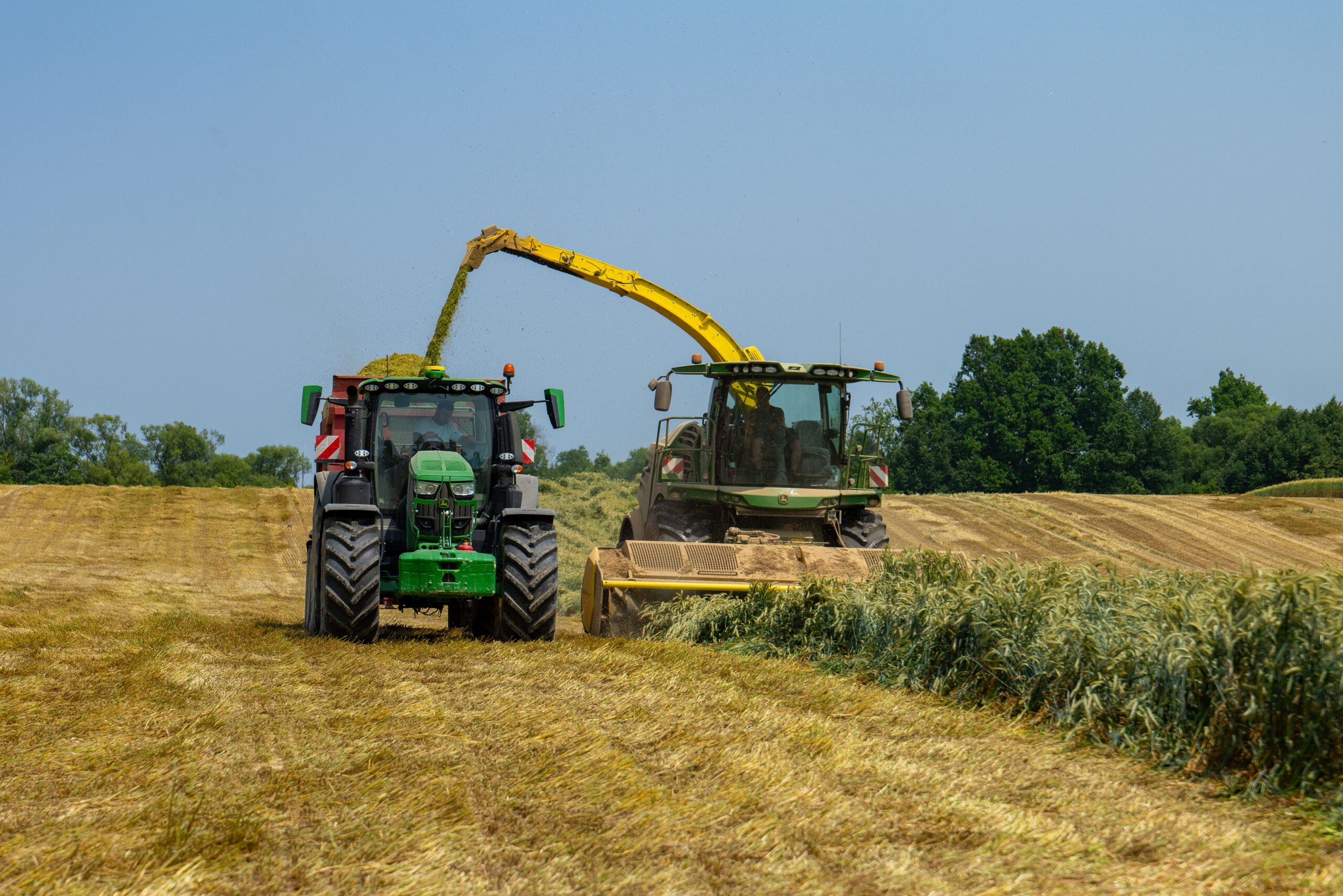
Canada’s agricultural industry continues to depend on workers for crop production, livestock operations, greenhouses, harvesting, farm machinery, food production and other essential agricultural activities. For international job seekers, this creates opportunities to pursue Canadian farm jobs through employer-supported work permit routes.
But there is an important distinction between a genuine agricultural job with employer support and an online advertisement simply claiming to offer “visa sponsorship.”
In Canada, employers generally do not hand a worker a visa directly. Instead, an eligible employer may need to obtain a Labour Market Impact Assessment (LMIA) or use an applicable immigration program before the worker can apply for an employer-specific work permit. Canada’s Agricultural Stream, Seasonal Agricultural Worker Program (SAWP), and other Temporary Foreign Worker Program routes can be relevant depending on the farm, commodity, occupation, wage and worker’s country of citizenship.
This guide explains the major agricultural jobs available in Canada in 2026, expected salaries, qualifications, LMIA and work-permit requirements, where to find legitimate vacancies, how applicants from Africa can apply, and how to avoid recruitment scams.
Agricultural Jobs in Canada with Visa Sponsorship 2026
Canada’s agricultural sector covers far more than traditional farm labour.
Depending on your experience, you could find opportunities as a:
- General farm worker
- Farm labourer
- Harvesting worker
- Fruit picker
- Vegetable farm worker
- Greenhouse worker
- Nursery worker
- Mushroom picker
- Dairy farm worker
- Livestock worker
- Poultry farm worker
- Swine farm worker
- Farm machinery operator
- Agricultural equipment operator
- Farm supervisor
- Farm foreman
- Farm manager
- Horseperson
- Irrigation worker
- Crop production worker
- Grain farm worker
- Greenhouse technician
- Agricultural service worker
Current Canadian Job Bank listings show agricultural employers recruiting for roles such as fruit workers, vegetable workers, farm labourers, machinery operators, farm supervisors, dairy farm positions, mushroom pickers and farm managers. Some listings are explicitly marked “LMIA requested,” while others may have different recruitment or work-permit arrangements.
This is important because “LMIA requested” does not mean “LMIA approved.” Job seekers should understand the difference before making travel arrangements or paying anyone.
What Does Visa Sponsorship Mean for Farm Jobs in Canada?
The phrase visa sponsorship is widely used by international job seekers, but Canada’s system works somewhat differently.
For many agricultural positions, the employer may need to obtain an LMIA before the foreign worker can apply for an employer-specific work permit.
An LMIA is used to demonstrate that there is a genuine need for a foreign worker and that Canadians or permanent residents are not available to fill the position.
Once an employer has a positive LMIA where one is required, the foreign worker normally receives the documents needed to apply for an employer-specific work permit.
An employer-specific work permit identifies the employer, location and occupation under the conditions of the permit.
Therefore, when you see:
“Farm job in Canada with visa sponsorship”
you should think in terms of:
Job offer → employer immigration process/LMIA where required → work-permit application → approval → travel to Canada.
It is not normally:
Pay an agent → receive Canadian visa.
That distinction can save applicants from serious immigration scams.
Canada’s Main Agricultural Immigration Routes for Foreign Workers
Several routes can be used to hire foreign agricultural workers, depending on the circumstances.
1. Agricultural Stream
The Agricultural Stream is one of the most important routes for employers hiring temporary foreign workers for qualifying agricultural positions.
The employer must meet program requirements, including operating in qualifying commodity sectors and having work that relates to on-farm primary agriculture.
The national commodity list includes areas such as:
- Apiary products
- Bovine
- Dairy
- Duck
- Flowers
- Fruits and vegetables
- Grains
- Oil seeds
- Seed corn
- Horses
- Maple syrup
- Mushrooms
- Nursery-grown trees
- Poultry
- Sheep
- Sod
- Swine
- Tobacco
This makes the route particularly relevant to workers seeking employment in crop farming, livestock, greenhouse production, poultry, dairy and related agricultural operations.
The Agricultural Stream can accept workers from any country, unlike the Seasonal Agricultural Worker Program, which has specific participating countries.
This distinction is especially important for applicants from countries such as Nigeria, Ghana, Kenya, Uganda, Zimbabwe and other African countries.
2. Seasonal Agricultural Worker Program (SAWP)
The Seasonal Agricultural Worker Program is another major Canadian agricultural labour route.
However, it is not available to workers from every country.
The program applies to citizens of:
- Mexico
- Anguilla
- Antigua and Barbuda
- Barbados
- Dominica
- Grenada
- Jamaica
- Montserrat
- St. Kitts-Nevis
- St. Lucia
- St. Vincent and the Grenadines
- Trinidad and Tobago
Workers must also meet the program’s requirements, including being at least 18 and having farming experience.
The SAWP is therefore not the normal route for a Nigerian applicant.
A Nigerian applicant should instead focus on agricultural employers and work-permit routes that allow workers from any country, where applicable.
3. High-Wage and Low-Wage Agricultural Positions
Not every agricultural position falls under the same wage category.
Depending on the position and applicable rules, an employer may need to use the appropriate high-wage or low-wage TFWP stream.
The Agricultural Stream can allow employers to request employment durations of up to two years for low-wage positions and up to three years for high-wage positions, subject to the applicable requirements and the employer’s reasonable employment needs.
This means that the length of employment can vary significantly.
Some farm jobs are seasonal.
Others can provide longer employment contracts.
Applicants should therefore read the employment contract carefully instead of assuming that every agricultural job offers permanent employment.
Most Popular Agricultural Jobs in Canada for Foreign Workers
1. General Farm Worker
General farm workers are among the most accessible agricultural occupations for people without advanced formal education.
Typical duties can include:
- Planting crops
- Weeding
- Irrigation
- Fertilizing
- Harvesting
- Sorting produce
- Packing crops
- Cleaning farm areas
- Operating basic farm equipment
- Maintaining records
- General farm maintenance
Job Bank classifies harvesting labourers under NOC 85101 and notes that the occupation usually requires short-term work experience and no formal education.
This can make general farm work particularly attractive to applicants who have practical agricultural experience but do not possess a university degree.
2. Fruit and Vegetable Farm Worker
Fruit and vegetable farms hire workers for planting, cultivation, harvesting, grading and packing.
Common crops include:
- Apples
- Blueberries
- Strawberries
- Cherries
- Grapes
- Tomatoes
- Peppers
- Cucumbers
- Potatoes
- Carrots
- Onions
- Other specialty crops
The work can be physically demanding and may involve long periods outdoors.
However, applicants with previous agricultural experience can have an advantage.
Current Job Bank listings in 2026 include fruit and vegetable farm positions marked LMIA requested, demonstrating that this category can include employers seeking foreign workers.
3. Greenhouse Worker
Greenhouses provide employment opportunities beyond traditional outdoor farming.
Greenhouse workers may:
- Plant seedlings
- Water crops
- Monitor plant growth
- Prune plants
- Apply fertilizers
- Control pests
- Harvest produce
- Clean growing areas
- Package vegetables
- Maintain greenhouse equipment
Greenhouse work can be attractive because some operations operate for much of the year rather than relying entirely on one short harvest season.
4. Livestock Farm Worker
Livestock workers assist with animals such as:
- Cattle
- Dairy cows
- Pigs
- Poultry
- Sheep
- Horses
Duties can include:
- Feeding animals
- Cleaning barns
- Monitoring animal health
- Assisting with breeding programs
- Moving animals
- Maintaining equipment
- Cleaning facilities
- Processing animal products
Job Bank says livestock labourers generally require short-term work experience and no formal education, although actual employer requirements can vary.
5. Dairy Farm Worker
Dairy farms require workers for daily animal care and milk-production operations.
Typical duties may include:
- Feeding cattle
- Cleaning barns
- Milking
- Monitoring animal health
- Calf care
- Cleaning milking equipment
- Maintaining farm facilities
- Operating farm machinery
Experience with dairy cattle can strengthen an applicant’s profile.
Applicants should clearly describe practical experience in their CV rather than simply writing “farm worker.”
6. Poultry Farm Worker
Poultry operations may hire workers for:
- Feeding birds
- Cleaning poultry houses
- Egg collection
- Monitoring animal health
- Vaccination support
- Sorting and packing eggs
- Maintaining equipment
- Biosecurity procedures
Experience with poultry farming can be particularly useful for applicants from agricultural backgrounds.
7. Farm Machinery Operator
Applicants with mechanical and agricultural equipment experience can pursue more specialized positions.
Farm machinery operators may work with:
- Tractors
- Harvesters
- Seeders
- Sprayers
- Cultivators
- Balers
- Irrigation systems
- Grain-handling equipment
Job Bank’s national wage data for farm machinery operators shows a Canadian range of approximately $15 to $32 per hour, with a median of about $22 per hour based on its published wage data.
Experience operating modern agricultural machinery can therefore be valuable.
8. Farm Supervisor or Foreman
This is a more experienced position.
Farm supervisors may:
- Coordinate workers
- Organize daily farm activities
- Monitor crop production
- Manage livestock operations
- Maintain work schedules
- Train employees
- Monitor safety
- Maintain production records
- Operate or supervise machinery
Job Bank lists national wages for farm supervisors at approximately:
| Wage level | Approx. hourly wage |
|---|---|
| Low | $17.00 |
| Median | $24.04 |
| High | $38.46 |
These figures are based on Job Bank’s published wage data and can vary by province and employer.
Supervisory positions can therefore provide considerably stronger earning potential than entry-level farm labour.
Agricultural Jobs in Canada: Salary Expectations for 2026
One of the biggest questions international applicants ask is:
How much can I earn working on a Canadian farm?
The answer depends heavily on the occupation, province, experience, hours worked and employment contract.
Here is a useful guide based on current Job Bank wage information.
| Agricultural Job | Approx. Canadian Hourly Wage |
|---|---|
| Farm labourer – harvesting | $16–$25 |
| General farm worker | Around $18 median |
| Farm machinery operator | $15–$32 |
| Farm supervisor | $17–$38.46 |
| Livestock worker | Around $20 median |
| Horseperson | $15–$32 |
| Farm manager | Can be considerably higher depending on responsibility |
For harvesting labourers, Job Bank currently lists a national wage range of approximately $16 to $25 per hour, with a median of $18.
For farm machinery operators, the national range is approximately $15 to $32 per hour, with a median of $22.
Actual job advertisements can differ. For example, current Job Bank postings include farm worker roles around $17.95–$18.25/hour and farm machinery or supervisory roles above $20/hour.
Important
Do not calculate your expected annual salary simply by multiplying an hourly wage by 2,080 hours.
Agricultural work can be seasonal, and the number of hours available depends on the employer and production cycle.
Your contract should clearly state:
- Hourly wage
- Expected hours
- Overtime arrangements
- Employment period
- Housing arrangements
- Deductions
- Transportation arrangements
- Job duties
Which Provinces Have Agricultural Jobs?
Agricultural opportunities exist across Canada, but the type and volume of jobs vary by province.
Important agricultural regions include:
Ontario
Ontario has major fruit, vegetable, greenhouse, dairy, poultry and other agricultural operations.
Current Job Bank listings include farm workers, harvesting labourers, vegetable workers and other agricultural roles.
British Columbia
British Columbia has significant agricultural activity involving:
- Fruit
- Berries
- Greenhouses
- Vineyards
- Nurseries
- Vegetables
- Dairy
- Other specialty crops
The Fraser Valley and Okanagan regions are particularly associated with agricultural employment.
Alberta
Alberta is known for:
- Cattle
- Grain
- Oilseed production
- Feedlots
- Farm machinery
- Mixed farming
It can be attractive for workers with livestock and machinery experience.
Saskatchewan
Saskatchewan is one of Canada’s major agricultural provinces.
The province has opportunities in:
- Grain farming
- Oilseed production
- Farm machinery
- Livestock
- Crop production
Job Bank wage data also shows comparatively strong earning potential for farm machinery operators in Saskatchewan.
Manitoba
Manitoba has agricultural opportunities in:
- Grain
- Livestock
- Poultry
- Vegetable production
- Farm machinery
Quebec
Quebec has significant dairy, crop, livestock and greenhouse agriculture.
However, applicants should be aware that Quebec can have additional immigration and employment procedures. For certain agricultural positions lasting more than 30 consecutive days, the employer may need to submit LMIA applications to both federal authorities and Quebec’s immigration ministry.
French can also be an important advantage for some Quebec jobs.
Basic Requirements for Agricultural Jobs in Canada
Requirements depend on the position and employer.
However, common requirements include:
1. Valid Passport
International applicants need a valid passport.
Ideally, your passport should have sufficient validity for the intended period of employment and travel.
2. Agricultural Experience
Entry-level farm jobs may not require extensive formal experience.
Nevertheless, practical experience can make your application stronger.
Experience in:
- Crop farming
- Livestock
- Poultry
- Dairy
- Greenhouses
- Irrigation
- Harvesting
- Farm machinery
- Tractor operation
can be valuable.
3. Physical Fitness
Many agricultural jobs involve:
- Standing
- Bending
- Lifting
- Walking
- Repetitive tasks
- Outdoor work
- Working in different weather conditions
Applicants should understand the physical requirements before accepting an offer.
4. English or French
Language requirements vary.
Some entry-level agricultural positions may have modest language requirements, while supervisory and technical jobs may require stronger communication skills.
English is particularly important for workers heading to English-speaking provinces.
French can be valuable in Quebec and bilingual environments.
5. Work Permit Eligibility
A foreign worker cannot simply arrive in Canada and begin working on a farm.
If you require a work permit, you must obtain the appropriate authorization.
For many employer-specific agricultural jobs, this involves an employer completing the required process, including an LMIA where required.
6. Medical Examination
Some applicants may need a medical examination depending on their circumstances, intended occupation and immigration requirements.
7. Police Certificate or Other Documents
IRCC may request police certificates, photographs, identity documents, proof of employment history and other supporting documents.
The exact checklist is generated according to the applicant’s circumstances.
Do You Need a Degree to Get a Farm Job in Canada?
Usually, no.
This is one of the reasons agricultural jobs can be attractive to international applicants.
Job Bank states that harvesting labourers generally require short-term work experience and no formal education. Livestock labourers also generally require short-term work experience and no formal education.
However, this does not mean every agricultural position has no education requirement.
For example:
- Farm managers may require significant experience or education.
- Technical agricultural positions may require specialized training.
- Machinery positions may require equipment experience.
- Supervisory roles may require several years of agricultural experience.
Always read the individual job advertisement.
How to Find Agricultural Jobs in Canada with Visa Sponsorship
The safest place to start is the Government of Canada’s Job Bank.
Job Bank has a dedicated search function for temporary foreign workers.
At the time of writing, the Job Bank temporary foreign worker search includes agricultural vacancies marked with statuses such as LMIA requested, while some listings have other recruitment statuses.
This is much safer than relying entirely on social media recruiters.
Search for These Job Titles
Try keywords such as:
- Farm worker
- General farm worker
- Farm labourer
- Farm labourer harvesting
- Fruit farm worker
- Vegetable farm worker
- Greenhouse worker
- Mushroom picker
- Livestock worker
- Dairy farm worker
- Poultry farm worker
- Farm machinery operator
- Agricultural equipment operator
- Farm supervisor
- Farm foreman
- Farm manager
Step-by-Step: How to Apply for Canadian Farm Jobs from Abroad
Step 1: Prepare a Canadian-Style CV
Your CV should be clear and practical.
Include:
- Full name
- Contact details
- Location
- Work experience
- Agricultural skills
- Machinery experience
- Livestock experience
- Education
- Certifications
- Languages
- References where appropriate
Do not write a 10-page CV.
For most farm positions, a concise two-page CV is sufficient unless you have extensive supervisory or technical experience.
Step 2: Highlight Practical Agricultural Skills
Instead of writing:
“I worked on a farm.”
Write:
“Operated tractors and assisted with land preparation, planting, irrigation, fertilizer application and crop harvesting.”
Specific details make your experience easier for employers to understand.
Step 3: Search the Canadian Job Bank
Search:
Temporary Foreign Workers
Then select agriculture-related positions.
Look for jobs that mention:
- LMIA requested
- LMIA approved
- Employer willing to hire temporary foreign workers
- International candidates where applicable
However, remember that LMIA requested is not the same as LMIA approved.
Step 4: Read the Entire Job Advertisement
Check:
- Employer name
- Location
- Wage
- Employment period
- Hours
- Job duties
- Education requirements
- Experience
- Application method
- LMIA status
- Whether accommodation is provided
Never apply based only on the headline.
Step 5: Apply Directly to the Employer
Where possible, apply through the official Job Bank posting or the employer’s legitimate application channel.
Avoid sending money to an unknown person who promises to “secure” the job.
Step 6: Attend the Interview
Some Canadian employers conduct:
- Telephone interviews
- Video interviews
- Online interviews
Be prepared to answer questions about:
- Farm experience
- Physical work
- Availability
- Machinery
- Livestock
- Crop production
- Safety
- Working outdoors
- Previous employers
Step 7: Receive a Genuine Job Offer
If selected, the employer should provide clear employment details.
Your employment offer should not be vague.
It should identify important information such as:
- Employer
- Position
- Wage
- Location
- Duties
- Working conditions
- Employment period
Step 8: Employer Completes the LMIA Process Where Required
The employer, not the foreign worker, normally handles the LMIA application.
Canada’s Agricultural Stream requires employers to demonstrate recruitment efforts and satisfy program requirements before submitting the LMIA application. The government states that agricultural LMIA applications can be submitted up to six months before the expected job start date.
Step 9: Apply for Your Canadian Work Permit
After receiving the required documents from the employer, you can apply for an employer-specific work permit.
IRCC states that applicants for employer-specific work permits need a job offer and must meet the general work permit requirements. Where an LMIA is required, the employer must provide the relevant positive LMIA documentation.
Step 10: Complete Biometrics and Medical Requirements
If required, you will receive instructions for biometrics.
The current individual biometrics fee is CAN$85.
The standard work permit processing fee is currently CAN$155.
Additional costs can include:
- Medical examination
- Police certificates
- Passport services
- Translation
- Travel
- Airfare
These should be included in your financial planning.
Step 11: Wait for the Immigration Decision
Do not purchase expensive non-refundable travel arrangements before receiving the necessary approval.
Once approved, follow the instructions provided by IRCC for travelling to Canada and obtaining your work authorization.
What Documents Should You Prepare?
Applicants should generally be prepared to provide some combination of:
- Passport
- CV/resume
- Employment references
- Agricultural experience letters
- Job offer
- LMIA documents, where applicable
- Employment contract
- Education certificates
- Training certificates
- Police certificate, if requested
- Medical examination results, if requested
- Proof of funds where required
- Photographs
- Biometrics
- Immigration forms
- Family documents, where applicable
The exact requirements can differ between applicants.
Always follow the personalized document checklist generated by IRCC.
Can Nigerians Apply for Agricultural Jobs in Canada?
Yes.
Nigerian citizens can pursue eligible Canadian agricultural employment opportunities where an employer is prepared and authorized to hire foreign workers and the applicant meets the requirements for the relevant work permit.
The Agricultural Stream allows temporary foreign workers from any country, provided the employer, production and position meet the applicable requirements.
This makes the Agricultural Stream more relevant to Nigerian applicants than the SAWP, which is restricted to citizens of Mexico and participating Caribbean countries.
For Nigerians, the practical strategy is therefore to search for Canadian agricultural employers recruiting internationally rather than looking specifically for SAWP opportunities.
Can You Get Permanent Residence Through a Farm Job?
A temporary farm job and permanent residence are not the same thing.
Getting a Canadian agricultural work permit does not automatically give you permanent residence.
However, agricultural work experience can potentially become part of a longer-term immigration strategy depending on:
- Your occupation
- Your Canadian work experience
- Your language ability
- Your education
- Your province
- Your age
- Your immigration profile
- Provincial immigration programs
- Current federal immigration programs
Because immigration programs change, applicants should check current IRCC and provincial program requirements rather than relying on old articles claiming that a particular farm job automatically leads to PR.
The former Agri-Food Pilot, for example, should not be presented as a current 2026 application route without checking its status.
How to Increase Your Chances of Getting a Canadian Farm Job
Build Relevant Experience Before Applying
If you are currently in Nigeria or another African country, practical agricultural experience can make a difference.
Consider gaining experience in:
- Poultry farming
- Crop production
- Vegetable farming
- Dairy
- Livestock
- Greenhouse operations
- Irrigation
- Tractor operation
- Farm machinery maintenance
Obtain Useful Certifications
Where relevant, consider training in:
- Tractor operation
- Agricultural machinery
- Occupational health and safety
- Pesticide handling
- First aid
- Animal handling
- Food safety
- Farm equipment maintenance
Not every job requires these certificates, but relevant training can strengthen your application.
Common Mistakes Applicants Should Avoid
Mistake 1: Paying for an LMIA
A legitimate Canadian employer is responsible for its LMIA obligations.
Canada’s Agricultural Stream rules state that employers must not charge or recover recruitment fees from temporary foreign workers.
If someone tells you:
“Pay me $5,000 and I will sell you an LMIA.”
Treat it as a major warning sign.
Mistake 2: Believing Every “LMIA Requested” Job Is Guaranteed
LMIA requested ≠ LMIA approved.
A Job Bank posting marked “LMIA requested” means the employer has indicated an LMIA process, but it does not mean that the worker automatically receives a work permit.
Mistake 3: Applying With a Generic CV
A farm employer wants to know what you can actually do.
Instead of:
Hardworking and dedicated individual seeking employment in Canada.
Use:
Experienced agricultural worker with three years of hands-on experience in poultry production, feeding, cleaning, vaccination support and farm equipment maintenance.
Specific information is stronger.
Mistake 4: Using Fake Documents
Never create:
- Fake employment letters
- Fake bank statements
- Fake certificates
- Fake job offers
- Fake LMIA documents
- Fake references
Canadian immigration authorities can refuse applications and take enforcement action when applicants submit fraudulent information.
Mistake 5: Ignoring the Employment Contract
Before accepting an offer, understand:
- How much you will earn
- How many hours you will work
- Where you will live
- How much accommodation costs
- Whether transportation is provided
- How long the contract lasts
- What deductions apply
Mistake 6: Assuming Farm Work Is Easy
Agricultural work can be physically demanding.
Depending on the position, you may work:
- Early mornings
- Outdoors in cold weather
- In hot weather
- Around animals
- Around machinery
- During peak harvest periods
- For extended periods standing or walking
Applicants should be prepared for the reality of farm employment.
How to Spot a Canadian Farm Job Scam
Be extremely cautious if a recruiter:
- Guarantees a visa
- Guarantees permanent residence
- Demands payment for an LMIA
- Requests money through cryptocurrency
- Uses only WhatsApp
- Refuses to identify the employer
- Cannot provide a Job Bank posting
- Sends an unverifiable employment contract
- Uses a free Gmail address while claiming to represent a major company
- Promises a very high salary for simple farm labour
- Pressures you to pay immediately
A legitimate recruitment process should allow you to verify the employer and job independently.
Are Canadian Farm Employers Allowed to Charge Workers Recruitment Fees?
Generally, employers and recruiters cannot recover recruitment fees from temporary foreign workers.
Canada’s Agricultural Stream explicitly requires employers to ensure that recruitment fees are not charged or recovered from temporary foreign workers.
This is one of the most important points for international applicants.
If a recruiter says:
“The Canadian employer requires you to pay the recruitment fee before the LMIA can be issued.”
Do not assume that this is legitimate.
Investigate the offer through official Canadian sources.
Do Canadian Farm Employers Provide Accommodation?
Some agricultural employers provide or arrange accommodation, but applicants should never assume that housing is automatically free.
Housing arrangements depend on:
- Employer
- Farm
- Province
- Agricultural program
- Employment contract
- Type of accommodation
The Canadian Agricultural Stream has specific employer obligations concerning housing in applicable situations.
Before travelling, understand whether accommodation is:
- Free
- Employer-provided but deducted from wages
- Shared
- Private
- Off-site
- Worker-paid
Ask for the arrangement in writing.
What Does a Typical Farm Workday Look Like?
A farm worker’s day can vary according to the season and farm type.
For a crop worker, a typical day could involve:
Early morning: Preparing equipment and beginning field activities.
Morning: Planting, weeding, irrigation, spraying or harvesting.
Midday: Sorting, packing or transporting agricultural products.
Afternoon: Continued fieldwork, equipment cleaning or farm maintenance.
End of day: Cleaning tools, recording production information and preparing equipment for the next workday.
Livestock workers may instead spend much of their day feeding animals, cleaning barns, monitoring animal health and maintaining facilities.
The exact schedule depends on the employer.
Agricultural Jobs in Canada Without a Degree
One of the strongest advantages of agricultural employment is that some entry-level positions do not require university qualifications.
Job Bank identifies harvesting labourer and livestock labourer positions as occupations that generally require short-term work experience and no formal education.
This does not mean you should apply without demonstrating skills.
If you have no degree, emphasize:
- Practical experience
- Reliability
- Physical stamina
- Agricultural knowledge
- Machinery experience
- Animal-handling skills
- Safety awareness
- Ability to work in teams
For many farm employers, practical ability can be more relevant than an academic qualification.
Best Strategy for African Applicants
If you are applying from Nigeria, Ghana, Kenya, Uganda, Zimbabwe or another African country, consider the following strategy.
First, choose your agricultural specialty.
Do not simply search “farm jobs.”
Choose:
Crop farming
or
Livestock
or
Greenhouse
or
Dairy
or
Farm machinery
or
Farm supervision.
Second, build a targeted CV.
Match your CV to the position.
Third, search official Canadian vacancies.
Start with Job Bank.
Fourth, prioritize genuine employers.
Look for identifiable businesses with legitimate contact information.
Fifth, verify the immigration route.
Ask whether the position requires an LMIA and what stage the employer is at.
Sixth, never pay for a job offer.
Recruitment scams are one of the biggest risks facing international job seekers.
Seventh, use official immigration information.
Do not rely entirely on TikTok, Facebook groups, Telegram channels or WhatsApp agents for immigration advice.
Frequently Asked Questions
Can I get a farm job in Canada with visa sponsorship in 2026?
Yes, eligible Canadian agricultural employers can hire temporary foreign workers through applicable immigration programs, including the Agricultural Stream and other TFWP routes. However, a job advertisement does not guarantee a work permit.
Can Nigerians apply for Canadian farm jobs?
Yes. The Agricultural Stream can allow workers from any country, provided the employer and position meet the applicable requirements and the worker qualifies for a work permit.
Do I need a degree to work on a Canadian farm?
Not necessarily. Some farm labour positions generally require short-term work experience and no formal education.
How much do farm workers earn in Canada?
Wages vary. Job Bank currently lists harvesting labourers at approximately $16–$25 per hour nationally, with a median of $18/hour. Farm machinery operators have a national range of approximately $15–$32/hour, while farm supervisors have a published national range of about $17–$38.46/hour.
Does an LMIA guarantee a work permit?
No. A positive LMIA, where required, supports the employer’s hiring process, but the foreign worker must still meet IRCC’s work-permit requirements.
Can I apply for farm jobs from outside Canada?
Yes. Applicants outside Canada can apply for eligible employer-specific work permits after obtaining the necessary job and employer documentation.
Is the Seasonal Agricultural Worker Program available to Nigerians?
No. SAWP participation is limited to Mexico and specified Caribbean countries. Nigerians should investigate other applicable agricultural work routes.
Can I bring my family to Canada?
Possibly, depending on your work permit, occupation, family circumstances and current immigration rules. Family members may have separate visa or work/study authorization requirements.
Can farm work lead to permanent residence?
Potentially, but there is no automatic PR route simply because you worked on a Canadian farm. Your eligibility depends on the immigration program available to you at the time.
How much does a Canadian work permit cost?
The current standard work permit processing fee is CAN$155. If biometrics are required, the individual biometrics fee is CAN$85.
Final Thoughts
Agricultural jobs can provide a realistic Canadian employment opportunity for international workers, especially those with practical experience in crop farming, livestock, greenhouses, dairy, poultry or farm machinery.
The most important thing is to understand that “visa sponsorship” in Canada is an immigration process, not simply a promise from a recruiter. A genuine employer may need to complete an LMIA or satisfy another applicable hiring route before the worker can obtain an employer-specific work permit.
For applicants from Nigeria and other countries outside the SAWP participating countries, the Agricultural Stream can be particularly relevant because it can accommodate workers from any country when the employer, commodity and position meet the requirements.
Start with official Canadian job listings, build a targeted CV, verify every employer, understand the employment contract and never pay someone simply because they promise to “sell” you an LMIA.
The opportunity is real—but so are the scams. Your best protection is to verify everything through Canada’s official immigration and employment websites before spending money or making travel plans.
Official Websites to Explore
Government of Canada – Agricultural Workers
Government of Canada – Apply for a Work Permit from Outside Canada