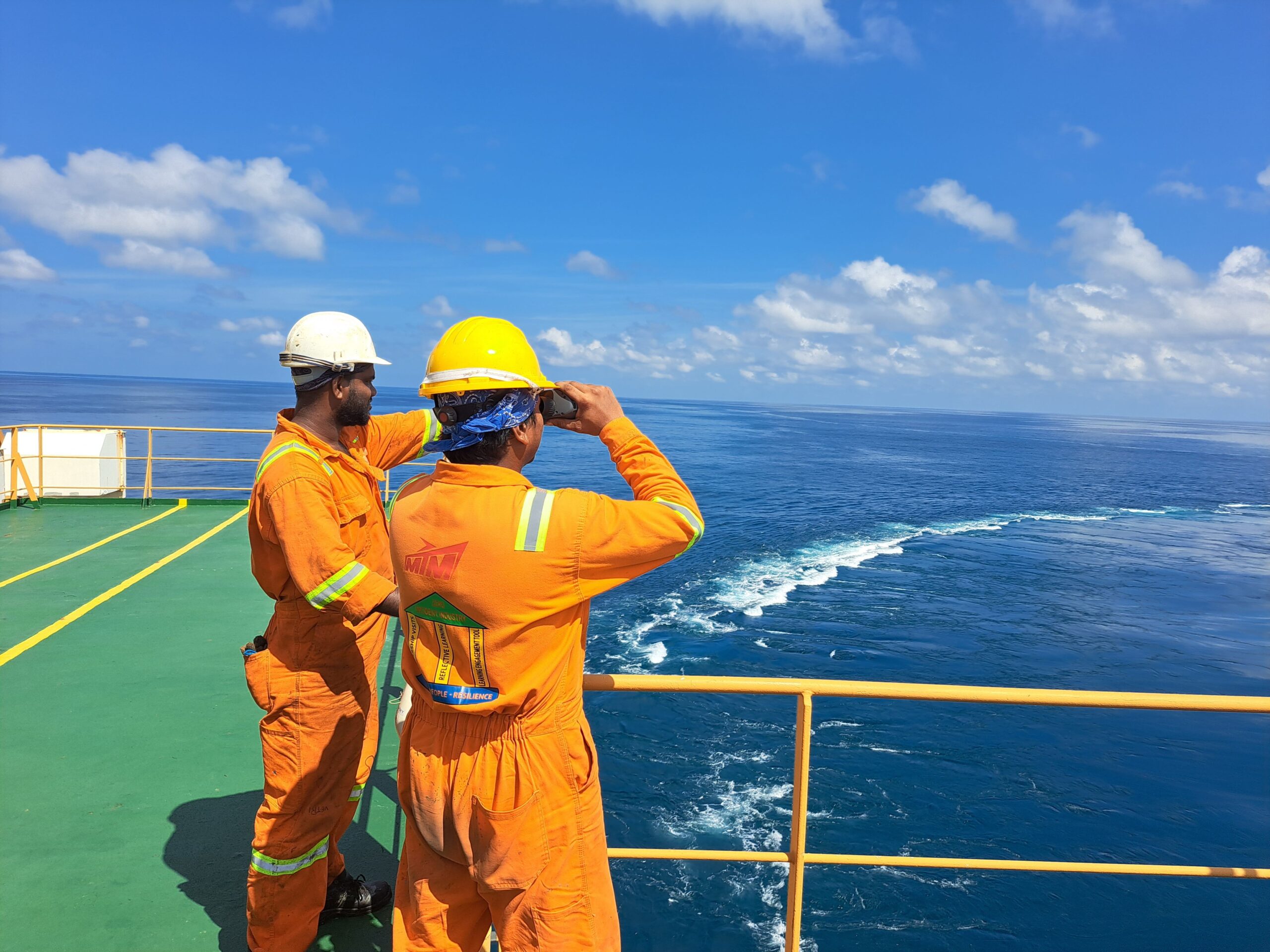
Imagine building a career at sea while working with an international shipping company, an offshore engineering contractor or a professional vessel crew operating through one of Europe’s most important maritime hubs. For qualified seafarers, the Netherlands offers opportunities in commercial shipping, offshore energy, dredging, marine engineering, vessel operations and other maritime services.
The country’s ports and maritime businesses support a wide range of activities, from cargo transportation and offshore construction to dredging, ship maintenance and marine logistics. These operations require trained deck officers, marine engineers, able seafarers, electricians, cooks and other professionals who can work safely in demanding environments.
For international applicants, however, finding a vacancy is only the first step. The employer, vessel, contract and nature of the work determine whether a foreign seafarer can qualify for the relevant Dutch immigration and work authorization route. A company recruiting internationally may not sponsor every position, and a seafarer’s permit for working aboard a vessel in a Dutch port is not the same as unrestricted permission to work in the Netherlands.
This guide explains how to find seafarer jobs in the Netherlands with visa sponsorship in 2026, the roles to target, realistic salary expectations, essential maritime certificates, application procedures and official websites to use.
Whether you are an experienced deck officer, marine engineer, offshore crew member or hospitality professional with seagoing experience, this article will help you identify suitable opportunities and avoid misleading recruitment offers.
Important: The immigration information below reflects the Dutch Immigration and Naturalization Service (IND) guidance available in October 2026. Individual vacancies and permit rules can change, so verify the current requirements before accepting an offer.
1. Are There Seafarer Jobs in the Netherlands with Visa Sponsorship?
Yes, international seafarers may find opportunities with Dutch maritime employers and shipping companies operating in the Netherlands. However, there is no single visa that automatically covers every seafarer job.
The correct immigration route depends on factors such as:
- Whether you will work aboard a seagoing vessel or in a shore-based maritime position
- Whether the vessel is Dutch-flagged or operates under another flag
- Whether you will remain aboard a vessel in a Dutch port for an extended period
- The length of your contract and stay
- Your nationality and existing residence rights
- Whether the employer is willing and legally able to arrange the necessary authorisation
The Dutch IND has a specific residence permit for seafaring service as a crew member aboard a seagoing vessel in a Dutch seaport for more than 90 days. Under the published conditions, the stay can last no longer than 11 months, and the applicant must meet requirements relating to employment, accommodation, income and seafarer status.
This route is specifically designed for qualifying seafaring service. It should not be treated as a general visa for any maritime job or as permission to take unrelated employment in the Netherlands.
What does visa sponsorship mean for a seafarer?
In practical terms, visa sponsorship means that an employer or other legally responsible party supports the required immigration and work authorisation process.
Depending on the route, the employer may need to provide an employment contract, supporting documents or a work permit application. In some situations, the worker may submit an application after receiving the required employment documentation.
Before applying, ask the recruiter these questions:
- Does the company recruit candidates who do not already have the right to work in the Netherlands?
- Which Dutch residence or work authorisation route applies to this specific role?
- Will the employer support the application and provide the required documents?
- Who pays the application, travel and relocation expenses?
- Does the contract include accommodation and meals while on board?
- Is the position based on a Dutch vessel, a foreign-flagged vessel, an offshore project or a shore-based operation?
Clear answers help you distinguish a genuine international recruitment opportunity from an advertisement that simply uses the phrase “visa sponsorship” to attract applications.
2. Types of Seafarer Jobs Available in the Netherlands
The maritime sector includes more than traditional cargo ships. Applicants can investigate vacancies with commercial shipping companies, offshore contractors, dredging operators, government vessel services and specialist marine organisations.
The roles below are examples of positions to search for. Actual vacancies, qualifications and international recruitment policies vary by employer.
Deck officers
Deck officers help navigate and operate vessels safely. Their responsibilities can include voyage planning, bridge watches, cargo operations, safety procedures and supervision of deck crew.
Common job titles include:
- Master or Captain
- Chief Officer
- Second Officer
- Third Officer
- Officer of the Watch
- Junior Deck Officer
These positions normally require the appropriate certificate of competency, valid maritime certification and relevant sea service.
Experienced officers may be attractive to employers operating complex offshore or commercial vessels, but international applicants must still meet the specific recruitment and immigration requirements.
Able seafarers and deck crew
Deck crew support the daily operation, maintenance and safety of a vessel. Duties may include mooring, anchoring, lookout watches, cargo-related activities, equipment maintenance and emergency drills.
Search for job titles such as:
- Able Seafarer Deck
- Able-Bodied Seaman (AB)
- Ordinary Seaman
- Deckhand
- Bosun
- General Purpose Rating
The required certificates depend on the role, vessel type and applicable maritime rules. Employers may also require previous sea service, safety training and medical fitness.
Marine engineers
Marine engineers maintain and operate a vessel’s machinery and technical systems. Their work may involve propulsion equipment, generators, pumps, electrical systems, auxiliary machinery and fault diagnosis.
Relevant vacancies may include:
- Chief Engineer
- Second Engineer
- Third Engineer
- Fourth Engineer
- Marine Engineering Officer
- Engine Room Rating
- Motorman
- Oiler
Officer positions generally require a relevant certificate of competency and experience appropriate to the vessel and rank. Ratings may have different training and certification requirements.
Marine electricians and electro-technical officers
Modern vessels rely on electrical, electronic and automation systems. Marine electricians and electro-technical officers help maintain these systems and troubleshoot faults.
Potential job titles include:
- Electro-Technical Officer (ETO)
- Marine Electrician
- Electrical Technician
- Instrumentation Technician
- Automation Technician
Employers may require recognised technical qualifications, maritime safety certificates and experience with vessel electrical systems. Offshore roles can have additional safety and competency requirements.
Offshore vessel crew
The Netherlands is home to maritime businesses involved in offshore construction, dredging and marine engineering. These companies operate vessels supporting complex projects in different parts of the world.
Possible positions include:
- Offshore deck officer
- Dynamic positioning officer
- Marine engineer
- Offshore crane operator
- Deck foreman
- Dredging crew member
- ROV or specialist technical crew member
Requirements vary considerably. Some roles demand advanced experience, specialised training or specific offshore certificates. A vacancy with a Dutch employer may involve work on an international project rather than a permanent posting in a Dutch port.
For example, Van Oord advertises marine crew vacancies for project-based offshore work. Its published officer vacancies specify requirements such as certificates of competency, STCW certification, relevant vessel experience and English-language communication skills.
Ship cooks and catering crew
Vessels require qualified cooks and catering personnel to prepare meals and maintain hygienic food-service areas for the crew.
Relevant positions include:
- Ship Cook
- Ship’s Cook
- Maritime Catering Assistant
- Steward
- Galley Assistant
A cook may need professional culinary qualifications, relevant catering experience, food hygiene knowledge and any applicable maritime certificates.
An example of a Dutch government vessel-service vacancy advertised in October 2026 was for a combined seafarer and cook position. It required relevant maritime and culinary credentials, demonstrating that specialised support roles can also be part of a vessel’s crew.
Important: A vacancy with a Dutch government organisation or Dutch company is not necessarily open to overseas applicants requiring sponsorship. Always check the job’s nationality, residency and work-authorisation conditions.
3. Seafarer Salaries in the Netherlands in 2026
Salary is one of the most important considerations when evaluating a maritime opportunity. However, there is no single salary scale covering every seafarer job in the Netherlands.
Your earnings may depend on:
- Rank and level of responsibility
- Vessel type and flag
- Employer and collective labour agreement
- Sea service and specialist experience
- Contract length and rotation schedule
- Whether pay is calculated monthly, daily or per working day at sea
- Overtime, allowances, leave arrangements and other benefits
An actual Dutch maritime salary example
A Rijkswaterstaat vacancy advertised in October 2026 for a combined seafarer and cook role listed a gross monthly salary of €2,844–€3,496. The vacancy required a relevant maritime qualification, professional cook training and experience preparing meals for a small crew.
This is a real vacancy-specific salary range, not a national average for all seafarers. It is also not proof that the position offers visa sponsorship to applicants living abroad.
Indicative salary ranges by role
The following table provides broad planning estimates for job seekers researching maritime employment. These are not official Dutch salary averages or guaranteed offers. Actual offers may fall outside these ranges, particularly for specialist offshore roles, short-term contracts or international vessels.
| Position | Indicative gross pay | What affects earnings? |
|---|---|---|
| Entry-level deckhand or ordinary seaman | €2,000–€3,000 per month | Vessel type, experience and contract |
| Able seafarer or experienced deck rating | €2,300–€3,500 per month | Certificates, duties and sea service |
| Ship cook or catering crew | €2,400–€3,600 per month | Culinary qualifications and contract |
| Marine electrician or technical rating | €2,700–€4,200 per month | Technical skills and vessel systems |
| Third or junior deck officer | €3,000–€4,500 per month | Certificate, experience and vessel |
| Second or chief officer | €4,000–€6,500+ per month | Responsibility, vessel type and rotation |
| Marine engineer officer | €3,500–€7,000+ per month | Rank, machinery expertise and vessel |
| Chief engineer or specialist offshore officer | €5,000–€9,000+ per month | Seniority, specialist skills and contract |
These figures should be used only as broad budgeting estimates until you have an actual offer to assess. They are not a substitute for verified Dutch job advertisements or a written employment contract.
International seafarer salary surveys also report higher pay for senior officers on certain vessel types, including gas carriers and oil tankers. Such figures are drawn from international vacancy data and should not be presented as guaranteed salaries for jobs based in the Netherlands.
Gross salary versus take-home pay
Gross salary is the amount before deductions. Your net pay may be affected by income tax, social insurance, pension contributions and the tax treatment of your particular employment arrangement.
For seafarers, tax treatment can be complicated because the vessel’s flag, employer, residence, work location and international tax rules may all matter.
Before accepting an offer, ask the employer to clarify:
- Gross salary and estimated net pay
- Whether the salary is paid for the full month or only working periods
- Overtime and night-work payments
- Holiday allowance and paid leave
- Pension and insurance arrangements
- Travel expenses to and from the vessel
- Whether accommodation and meals are provided
- Which country handles payroll and tax deductions
Do not make relocation decisions based only on a headline salary.
4. Qualifications Required for Seafarer Jobs in the Netherlands
The qualifications you need depend on the position, vessel type and applicable maritime regulations. An experienced officer will generally face different requirements from a cook, deck rating or entry-level crew member.
STCW certificates
The International Convention on Standards of Training, Certification and Watchkeeping for Seafarers (STCW) establishes international standards for maritime training and certification.
Depending on your position, employers may request:
- Basic safety training
- Personal survival techniques
- Fire prevention and firefighting
- Elementary first aid
- Personal safety and social responsibilities
- Proficiency in security awareness or designated security duties
- A certificate of competency for officer positions
- Additional training for specialist vessel operations
The exact combination depends on your role and the vessel’s requirements. Do not assume that completing a short STCW course qualifies you for an officer position.
International Maritime Organization information:
Certificate of competency
Deck and engineering officers generally need a recognised certificate of competency appropriate to their rank and duties.
Recruiters may ask for:
- Officer of the Watch certification
- Chief Mate or Master certification
- Marine engineering officer certification
- Certificates appropriate to the vessel’s tonnage, propulsion or operating area
Your certificate must be acceptable for the intended role and vessel. Recognition requirements may differ according to the flag state and employer.
Seafarer’s medical certificate
Seafarers must meet applicable medical fitness requirements. A valid medical certificate may be necessary before joining a vessel.
The employer or manning agency should explain which medical standard and issuing authority are accepted for the position.
Seaman’s book and sea-service records
A seaman’s book or equivalent seafarer document may be required to demonstrate your identity and professional status.
The Dutch IND specifically states that applicants for its seafaring-service residence permit must demonstrate that they are seafarers with a valid seaman’s book.
You may also need:
- Discharge book or sea-service record
- Letters confirming previous employment
- Certificates of competency
- Training certificates
- Records of previous vessel assignments
Make sure your documents are valid and that names and dates are consistent across all records.
English-language skills
English is commonly used in international maritime operations. Applicants should be able to understand safety instructions, communicate with crew members, complete reports and respond appropriately during emergencies.
Some vacancies may require evidence of English proficiency or particular communication standards. Other positions may also require Dutch, depending on the employer and duties.
Relevant work experience
Experience requirements vary. Entry-level ratings may qualify with less sea service, while offshore officers, senior engineers and specialist technical personnel are usually expected to demonstrate substantial relevant experience.
Your CV should make your experience easy to verify by listing:
- Vessel names and types, where appropriate
- Rank or job title
- Contract dates
- Main duties
- Certificates held
- Relevant machinery, navigation or safety systems
- Sea-service duration
- References from previous employers
5. Dutch Visa Sponsorship and Work Permit Requirements for Seafarers
This is the section international applicants should read particularly carefully. The correct immigration route depends on the work you will perform and the circumstances of your stay.
Route A: Residence permit for seafaring service in a Dutch seaport
The Dutch IND has a specific residence permit for people who will work as crew members aboard a seagoing vessel in a Dutch seaport for more than 90 days.
Under the IND’s published requirements, an applicant generally needs to:
- Meet the general immigration requirements
- Demonstrate seafarer status with a valid seaman’s book
- Have a valid employment contract or show that a contract will be provided
- Stay aboard a seagoing vessel in a Dutch seaport for more than 90 days but no longer than 11 months
- Be entitled to free accommodation aboard the vessel
- Have living expenses on board covered by the ship manager
- Meet the applicable income requirements
- Perform normal seafaring duties aboard the particular vessel
- Meet the rule concerning a previous seafaring-service residence permit in the preceding six months
The IND also limits the number of crew members in certain extended port or shipyard situations according to the vessel’s average operational crew.
This permit is specific to the qualifying vessel and seafaring duties. It does not give unrestricted permission to work for any employer in the Netherlands.
Route B: Work on a Dutch seagoing vessel or in another maritime employment situation
Some jobs may fall under a different Dutch residence and work authorisation category. Depending on the circumstances, an employer may need to arrange a work permit (TWV), a combined residence and work permit (GVVA), or another applicable permit.
The Dutch government explains that non-EEA and non-Swiss nationals generally need authorisation to work in the Netherlands unless an exemption applies.
The IND also has a separate route for certain paid-employment situations involving Dutch seagoing vessels or mining installations. That route has specific conditions and should not be assumed to apply to a newly recruited seafarer without reviewing the official requirements.
Route C: Shore-based maritime jobs
A shore-based role in a Dutch port, shipyard, maritime engineering company or logistics organisation is not automatically covered by the residence permit for seafaring service.
For example, a marine technician repairing equipment ashore may need a different work authorisation from a deck officer working as crew aboard a seagoing vessel.
If you are applying for a shore-based position, ask the employer which permit route applies before assuming that a seafarer-specific permit will cover the job.
Application fees and processing time
The IND’s published seafaring-service guidance lists an application fee of €423 and a decision period of up to 90 days, which may be extended in some circumstances.
The application procedure may involve applying for a provisional residence permit (MVV) and the residence permit together at the relevant Dutch representation abroad, followed by submission of the required documents to the IND.
Fees and procedures can change. Check the current official page before making payment or booking travel.
Important restrictions to understand
The IND states that the seafaring-service residence permit:
- Is linked to work aboard the specified seagoing vessel
- Is valid for the period of work on that vessel, up to a maximum of 11 months
- Does not permit unrelated employment
- Does not allow family reunification under this permit category
These conditions make it especially important to understand the permit before accepting a contract.
6. Where to Find Seafarer Jobs in the Netherlands
A targeted search is more effective than sending your CV to every maritime company you can find. Focus on employers whose vessel operations and recruitment policies match your experience and immigration situation.
1. Van Oord
Van Oord is an international marine contractor involved in dredging, offshore energy and marine infrastructure projects. Its careers website advertises marine crew and offshore roles, including officer positions.
Some vacancies are project-based and have no fixed primary location. This means a job with the company may involve working on international projects rather than living permanently in the Netherlands.
Look for roles matching your certificate of competency, STCW qualifications and experience.
2. Boskalis
Boskalis operates in dredging, offshore energy, marine services and related activities. Its careers website lists positions across different business areas.
Some jobs involve vessel operations, while others involve diving, technical services, engineering or shore-based project work. Requirements vary by role, and not all vacancies are suitable for overseas candidates who require immigration sponsorship.
Boskalis explicitly warns applicants about fraudulent job offers. It states that it will not ask candidates to pay for a job, visa or other documents during recruitment.
3. Rijkswaterstaat and the Rijksrederij
Rijkswaterstaat is the Dutch government organisation responsible for water management and infrastructure, while the Rijksrederij operates vessels for government tasks.
Its recruitment website may advertise roles involving seagoing vessels, maritime operations and shipboard support. Some positions have specific requirements relating to Dutch qualifications, transport, residence or professional certification.
A vacancy is not automatically open to international applicants simply because it appears on a public recruitment website.
4. Other shipping and maritime employers
You can also research vacancies with:
- Commercial shipping companies
- Offshore vessel operators
- Marine engineering businesses
- Ship-management companies
- Specialist vessel contractors
- Maritime recruitment and manning agencies
- Port service providers
When investigating an employer, verify its official website and recruitment contact details. Look for the actual job description, vessel or project information, required certificates and a clear explanation of the recruitment process.
5. Search using specific job titles
Try searches such as:
- Seafarer jobs Netherlands 2026
- Deck officer jobs Netherlands
- Marine engineer jobs Dutch shipping companies
- Offshore vessel crew jobs Netherlands
- Able seafarer vacancies Netherlands
- Ship cook jobs Netherlands
- Dredging vessel crew vacancies
- Electro-technical officer offshore jobs
- Seafarer jobs with work permit support
Search results may include vacancies based in the Netherlands, jobs aboard vessels operating internationally and jobs posted by overseas recruitment agencies. Read the location and contract details carefully.
7. How to Apply for Seafarer Jobs with Visa Sponsorship
Follow these steps to improve the quality of your applications and avoid wasting time on unsuitable vacancies.
Step 1: Identify your professional category
Choose the type of role that matches your qualifications and sea-service history.
For example, an applicant with a valid Officer of the Watch certificate should focus on officer positions rather than applying indiscriminately for jobs that require unrelated technical skills.
Step 2: Prepare a maritime CV
Your CV should clearly show:
- Full name and contact information
- Nationality and current location
- Seafarer rank or professional specialisation
- Certificates of competency
- STCW certificates and expiry dates
- Medical certificate validity
- Seaman’s book details, where appropriate
- Vessel types and previous assignments
- Sea-service duration
- Technical and safety skills
- Language proficiency
- Referees, where appropriate
Use a professional layout and make your most relevant experience easy to find.
Step 3: Gather supporting documents
Depending on the vacancy, you may need:
- Passport
- Seaman’s book
- Certificate of competency
- STCW training certificates
- Medical fitness certificate
- Sea-service records
- Education and professional certificates
- References
- Proof of English proficiency, if requested
Keep digital copies ready, but send sensitive documents only through verified recruitment channels.
Step 4: Apply through the official recruitment channel
Use the employer’s official careers website or a recruitment agency whose relationship with the employer can be verified.
Tailor your application to the job description. Explain how your experience matches the vessel type, duties and required certificates.
Step 5: Ask about sponsorship before accepting an offer
If you need Dutch work or residence authorisation, raise the question early in the recruitment process.
Ask the employer to confirm in writing:
- Whether it accepts overseas applicants
- Which permit route it expects to use
- Whether it will support the application
- Whether the offer is conditional on permit approval
- Which costs are covered by the employer
- Whether accommodation and meals are included
- What happens if the permit is refused
A written offer is not the same as immigration approval. Do not resign from an existing job or pay major relocation costs until you understand the conditions.
Step 6: Complete the immigration process
Follow the instructions for the permit that applies to your circumstances. This may involve a Dutch embassy or consulate, the IND, the employer or another relevant authority.
Submit accurate documents and ensure that any foreign certificates requiring legalisation or translation meet the stated requirements.
Step 7: Review the employment contract
Before signing, check:
- Job title and duties
- Vessel and operating area
- Contract duration
- Rotation schedule
- Salary and payment frequency
- Overtime and leave arrangements
- Accommodation and meals
- Insurance and medical provisions
- Travel arrangements
- Termination and repatriation terms
Ask for clarification on anything that is unclear.
Step 8: Prepare to join the vessel
Once the necessary employment and immigration arrangements are approved, follow the employer’s joining instructions. Confirm travel dates, reporting location, required equipment, medical documentation and any additional safety training.
Never travel on the assumption that a job offer alone grants permission to work.
8. Tips for Applicants from Nigeria and Other African Countries
For applicants living in Nigeria and elsewhere in Africa, a careful approach can help distinguish legitimate international recruitment from misleading offers.
Apply for jobs that match your actual qualifications
Many professional seafarer roles require recognised maritime certificates and verified sea service. If you do not yet hold the required credentials, consider legitimate maritime training and entry routes before applying for senior positions.
Verify certificate recognition
Ask the employer whether your certificate of competency and training certificates are accepted for the vessel and position. Recognition depends on the flag, role and applicable rules.
Do not assume that a certificate accepted by one employer or vessel will automatically be accepted by another.
Be cautious of guaranteed-visa promises
No recruiter should guarantee that immigration authorities will approve a permit before the required checks have been completed.
Be especially careful if an agent promises a high-paying shipboard job without checking your qualifications, asks you to pay a large recruitment fee or refuses to identify the vessel and employer.
Verify the employer independently
Find the vacancy on the company’s official website or contact the company through its published recruitment details. If an agency claims to recruit for a major shipping company, confirm that relationship independently.
Keep your documents consistent
Your name, date of birth, employment dates and certificates should match across your CV and official documents. Differences can cause delays or raise concerns during recruitment and immigration checks.
Plan for costs
Even where the employer provides shipboard accommodation and meals, you may still face expenses for passport renewal, medical checks, certificate verification, travel to an embassy or other application requirements.
Confirm which costs the employer will cover and budget for any expenses that remain your responsibility.
9. How to Recognize Seafarer Recruitment Scams
International job seekers can be targeted by people impersonating shipping companies, manning agencies or immigration representatives.
Watch for these warning signs:
- A guaranteed job or visa without an interview or qualification checks
- Requests to pay for a job offer or a guaranteed work permit
- Recruiters using unofficial email addresses while claiming to represent a major company
- No verifiable company website or physical business information
- Contracts with no clear vessel, job title, salary or employer details
- Pressure to pay immediately to secure a supposed vacancy
- Requests for bank details or sensitive documents before the recruiter is verified
Boskalis specifically warns candidates that it will not request payment for a job, visa or other documents during its recruitment process.
Never send money to an unverified recruiter. If an agency claims that a payment is required, independently verify the fee and the responsible authority before proceeding.
10. Frequently Asked Questions About Seafarer Jobs in the Netherlands
Can foreigners apply for seafarer jobs in the Netherlands?
Yes, some maritime employers recruit internationally. However, applicants must meet the job requirements and have the appropriate right to work or qualify for the relevant immigration route.
Does the Netherlands offer visa sponsorship for seafarers in 2026?
Some employers may support eligible international hires, but sponsorship is vacancy-specific. The Dutch IND also has a specific residence permit for qualifying seafaring service aboard a seagoing vessel in a Dutch seaport for more than 90 days.
Can I get a seafarer job in the Netherlands without STCW certificates?
It depends on the position and applicable maritime rules. Many shipboard roles require specific STCW training or certificates of competency. Check the exact requirements before applying.
What is the salary for a seafarer in the Netherlands?
Pay depends on rank, vessel, experience and contract. A Dutch government vessel-service vacancy advertised in October 2026 listed €2,844–€3,496 gross per month for a combined seafarer and cook position. This is a role-specific example, not a national salary average.
Does the seafaring-service residence permit allow me to work anywhere in the Netherlands?
No. The IND states that this permit is limited to qualifying seafaring work aboard the specified vessel. It does not provide unrestricted permission to take unrelated employment.
Does the Dutch seafarer residence permit cover family members?
The IND states that family reunification is not allowed under the specific residence permit for seafaring service described in its guidance. Other immigration routes have their own rules.
Do seafarers receive free accommodation and meals?
For the specific IND seafaring-service permit, applicants must be entitled to free accommodation aboard the vessel, with living expenses on board covered by the ship manager. Other employment arrangements should be checked against the written contract.
Can I apply from Nigeria?
You can investigate vacancies from Nigeria and apply if the employer accepts overseas applicants. If a Dutch residence or work authorisation is required, follow the appropriate process and instructions from the IND and relevant Dutch representation.
How long does the seafaring-service permit application take?
The IND’s published guidance lists a decision period of up to 90 days, which may be extended in some circumstances. Processing time is not guaranteed, so plan ahead and check the current guidance.
Where can I find legitimate vacancies?
Start with official employer careers pages, including Van Oord, Boskalis and Rijkswaterstaat. Confirm the vacancy, required qualifications and international recruitment policy before applying.
Official Resources to Explore
Use these official websites to verify immigration requirements and find genuine maritime vacancies.
Dutch Immigration and Naturalisation Service (IND) — Seafaring-service residence permit
IND — Rights and conditions for seafarers
Government of the Netherlands — Work permits for foreign employees
Final Thoughts
Seafarer jobs in the Netherlands can offer valuable opportunities for qualified maritime professionals, but international applicants need to look beyond the salary advertised in a vacancy.
The most important steps are to identify a role that matches your certificates and experience, verify that the employer accepts overseas candidates, understand the correct Dutch work or residence authorization route and obtain a written contract with clear employment conditions.
Van Oord, Boskalis and Rijkswaterstaat are useful starting points for researching genuine maritime opportunities. Their vacancies differ in job requirements, location, contract arrangements and eligibility, so check each advertisement carefully.
If you are applying from Nigeria or another country outside the European Economic Area, confirm the immigration route before spending money on recruitment or travel. A genuine employer should be able to explain the position, required qualifications and recruitment process clearly.
With relevant maritime credentials, a well-prepared CV and careful verification of every offer, you can approach the 2026 seafarer job market with a more realistic plan.
Your next step: Review the official careers links above, shortlist vacancies that match your experience and ask each employer whether it can support the immigration process applicable to your specific role.