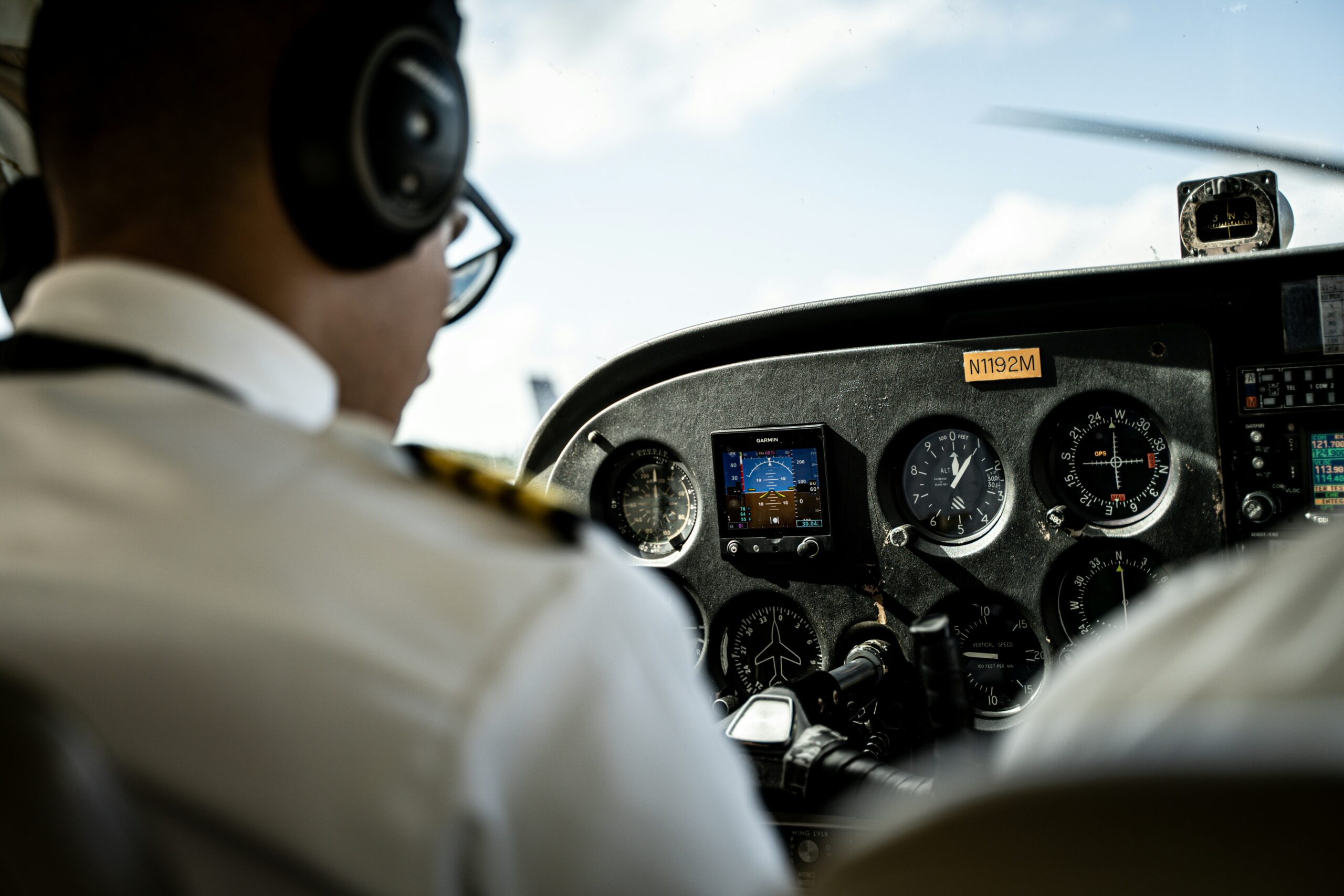
The aviation industry is entering one of its most exciting decades. As global air travel continues to recover and expand, airlines, aircraft manufacturers, airports, and aviation technology companies are investing heavily in the next generation of aviation professionals.
This growth has created a strong demand for skilled pilots, aircraft maintenance engineers, air traffic controllers, aviation managers, aerospace engineers, flight dispatchers, and aviation safety specialists.
Yet for many aspiring students, one obstacle stands in the way: the cost of aviation education.
Unlike many university programs, aviation degrees and professional flight training often require significant financial investment. Tuition, simulator sessions, flight hours, licensing examinations, accommodation, and equipment can add up quickly.
Fortunately, governments, universities, airlines, aviation foundations, and international organizations offer scholarships that help talented students pursue their dreams without carrying the full financial burden.
If you are planning to begin your studies in 2027, now is the perfect time to prepare. Many scholarship applications open months before university admissions, and early preparation gives you a major advantage.
This guide explores the best Aviation Scholarships for International Students in 2027, including scholarship opportunities, top universities, admission requirements, expected costs, and practical advice to help you build a successful application.
Whether you are from Nigeria, Ghana, Kenya, India, Pakistan, Bangladesh, South Africa, or another country, there are funding opportunities available for ambitious students ready to launch a career in aviation.
Why Study Aviation in 2027?
Aviation is no longer limited to flying aircraft. Today’s industry combines technology, engineering, artificial intelligence, sustainability, logistics, cybersecurity, and global business.
From commercial airlines to cargo operations and drone technology, aviation professionals are shaping the future of transportation.
Several trends are driving demand for qualified graduates:
- Growth in international passenger travel
- Expansion of low-cost airlines
- Increased aircraft production
- Rising demand for cargo transportation
- Development of electric and sustainable aircraft
- Growth of unmanned aerial systems (drones)
- Modernization of airport infrastructure
- Advances in aviation technology and safety
As experienced professionals retire, airlines and aviation companies are recruiting a new generation of talent.
Why Choose an Aviation Career?
An aviation qualification can lead to opportunities around the world.
Many aviation careers offer:
- Competitive salaries
- International employment opportunities
- Career progression
- Opportunities to travel
- Advanced technical training
- Job security in specialized fields
- Exposure to cutting-edge technology
For students who enjoy problem-solving, teamwork, and innovation, aviation offers an exciting and rewarding career path.
Benefits of Studying Aviation Abroad
Studying aviation in another country provides more than a degree.
Students gain:
Internationally Recognized Qualifications
Many aviation universities align their programs with international aviation standards, improving graduates’ employability across different regions.
Modern Training Facilities
Leading institutions provide:
- Flight simulators
- Research laboratories
- Aircraft maintenance workshops
- Air traffic control simulation centres
- Innovation hubs
- Drone research facilities
Industry Partnerships
Many universities collaborate with:
- Airlines
- Aircraft manufacturers
- Airport authorities
- Aviation regulators
- Aerospace companies
These partnerships often lead to internships, research projects, and graduate employment opportunities.
Multicultural Learning Environment
International classrooms expose students to diverse perspectives and prepare them for careers in a global industry.
Types of Aviation Programmes
Aviation offers a wide range of academic and professional pathways.
Commercial Pilot Training
One of the most sought-after programmes.
Students learn:
- Flight operations
- Aircraft systems
- Meteorology
- Navigation
- Aviation regulations
- Flight planning
- Simulator training
- Flight hours
Graduates work toward obtaining the licenses required for commercial flying.
Aviation Management
Ideal for students interested in the business side of aviation.
Subjects include:
- Airport Operations
- Airline Management
- Aviation Finance
- Aviation Marketing
- Human Resource Management
- Aviation Law
- Strategic Planning
Graduates often work in airline administration, airport management, and aviation consulting.
Aerospace Engineering
Focuses on aircraft and spacecraft design, manufacturing, and innovation.
Students study:
- Aerodynamics
- Propulsion Systems
- Aircraft Structures
- Materials Engineering
- Flight Mechanics
- Robotics
- Artificial Intelligence
Aircraft Maintenance Engineering
Aircraft safety depends on highly trained engineers.
Students learn:
- Aircraft inspection
- Maintenance procedures
- Engine systems
- Avionics
- Electrical systems
- Hydraulic systems
- Quality assurance
Air Traffic Management
Air traffic controllers play a critical role in ensuring safe and efficient aircraft movement.
Programmes cover:
- Airspace management
- Communication systems
- Radar operations
- Navigation
- Aviation safety
- Emergency procedures
Aviation Safety
As aviation technology evolves, safety specialists are in high demand.
Students focus on:
- Risk assessment
- Accident investigation
- Human factors
- Aviation regulations
- Safety management systems
Drone and Unmanned Aircraft Systems (UAS)
This rapidly growing field prepares students for careers in:
- Drone operations
- Remote sensing
- Precision agriculture
- Infrastructure inspection
- Environmental monitoring
- Logistics
Best Countries to Study Aviation
Several countries are recognized globally for aviation education and research.
United States
The United States remains one of the world’s leading aviation training destinations.
Strengths include:
- Large aviation industry
- FAA-recognized training
- Extensive flight schools
- Aerospace research
- Industry partnerships
Canada
Canada offers excellent pilot training thanks to its modern aviation infrastructure and diverse flying conditions.
Popular fields include:
- Commercial Aviation
- Aircraft Maintenance
- Aviation Management
- Aerospace Engineering
United Kingdom
The UK has a long history of aviation excellence.
Universities offer strong programmes in:
- Aerospace Engineering
- Aviation Management
- Airport Planning
- Aviation Safety
Australia
Australia is a preferred destination for pilot training because of its favorable weather, advanced facilities, and internationally recognized qualifications.
Germany
Germany is renowned for engineering and aerospace innovation.
Students benefit from close collaboration with the country’s aviation and manufacturing sectors.
Netherlands
The Netherlands is home to internationally respected aviation programmes emphasizing sustainability, logistics, and airport management.
France
France is a global aerospace leader with strong links to aircraft manufacturing, aviation technology, and research.
New Zealand
New Zealand offers high-quality pilot training, modern flight schools, and excellent flying conditions throughout the year.
Top Universities for Aviation
Choosing the right university is one of the most important decisions you’ll make.
Some of the world’s leading aviation institutions include:
| University | Country | Areas of Excellence |
|---|---|---|
| Embry-Riddle Aeronautical University | USA | Pilot Training, Aerospace Engineering |
| Purdue University | USA | Aviation Technology, Flight |
| University of North Dakota | USA | Commercial Aviation |
| Cranfield University | UK | Aerospace Engineering |
| Delft University of Technology | Netherlands | Aerospace Engineering |
| Coventry University | UK | Aviation Management |
| RMIT University | Australia | Aviation, Engineering |
| Toronto Metropolitan University | Canada | Aerospace Engineering |
| ISAE-SUPAERO | France | Aerospace & Aviation Research |
| University of Stuttgart | Germany | Aerospace Engineering |
Tuition Fees
The cost of studying aviation depends on the programme and country.
Approximate annual tuition:
| Programme | Estimated Annual Tuition |
|---|---|
| Aviation Management | $8,000–$30,000 |
| Aerospace Engineering | $10,000–$40,000 |
| Aircraft Maintenance | $12,000–$35,000 |
| Commercial Pilot Training | $50,000–$120,000+ |
| Air Traffic Management | $8,000–$25,000 |
Pilot training is typically the most expensive because of flight hours, simulator training, aircraft rental, fuel, licensing examinations, and instructor costs.
Cost of Living
Average monthly living expenses vary by destination.
| Country | Estimated Monthly Cost |
|---|---|
| USA | $1,200–$2,500 |
| Canada | $1,000–$2,000 |
| UK | £900–£1,800 |
| Australia | AUD 1,500–2,800 |
| Germany | €850–€1,300 |
| Netherlands | €900–€1,500 |
| France | €900–€1,400 |
Scholarships that include living stipends can significantly reduce these expenses.
Career Opportunities After Graduation
Aviation graduates have access to careers across multiple sectors.
Popular roles include:
- Commercial Pilot
- First Officer
- Airline Captain (with experience)
- Aircraft Maintenance Engineer
- Aerospace Engineer
- Aviation Safety Inspector
- Air Traffic Controller
- Airport Operations Manager
- Flight Dispatcher
- Aviation Consultant
- Aviation Security Specialist
- Cabin Crew Trainer
- Aviation Data Analyst
- Airline Operations Officer
- Drone Pilot
- Aviation Compliance Officer
As the industry adopts digital technologies, graduates with expertise in AI, data analytics, cybersecurity, and automation are becoming increasingly valuable.
Are Aviation Scholarships Available for International Students in 2027?
Yes. International students can apply for a wide range of aviation scholarships in 2027 offered by governments, universities, airlines, aviation foundations, and international organizations. Depending on the scholarship, funding may cover tuition fees, flight training costs, monthly living expenses, travel, health insurance, research, or professional certification. While competition is high, applicants with strong academic records, leadership experience, and a clear passion for aviation have excellent opportunities to secure funding.
Quick Comparison: Why Study Aviation Abroad?
| Feature | Benefit |
|---|---|
| International Qualifications | Recognized worldwide |
| Modern Flight Training | Access to advanced simulators and aircraft |
| Industry Partnerships | Better internship and employment opportunities |
| Research Opportunities | Exposure to cutting-edge aviation technologies |
| Global Career Prospects | Work with airlines, airports, manufacturers, and regulators |
| Diverse Learning Environment | Build an international professional network |
| Scholarship Opportunities | Government, university, and industry funding available |
Choosing the right aviation program is only the beginning. The next step is identifying scholarships that match your goals and learning how to build a competitive application.
Top Aviation Scholarships for International Students 2027
Pursuing an aviation degree is a significant investment. Whether you dream of becoming a commercial pilot, aerospace engineer, aircraft maintenance engineer, or aviation manager, the cost of tuition and practical training can be substantial.
Fortunately, scholarships are available to help reduce these costs. Some cover only tuition fees, while others provide comprehensive funding that includes accommodation, living expenses, travel, insurance, and even flight training in selected programs.
Below are some of the best aviation scholarships international students should consider for the 2027 academic year.
1. Erasmus Mundus Joint Master’s Scholarships
The Erasmus Mundus Joint Master’s Scholarship is one of Europe’s most prestigious funding programs.
Although it does not specifically fund commercial pilot training, it supports several master’s programmes in:
- Aerospace Engineering
- Aviation Management
- Transportation Systems
- Air Mobility
- Sustainable Aviation
- Engineering
Students study at multiple European universities and graduate with a joint or multiple degree.
Scholarship Benefits
- Full tuition fees
- Monthly stipend
- Round-trip travel allowance
- Installation grant
- Comprehensive health insurance
Who Can Apply?
- International students from all countries
- Bachelor’s degree holders
- Applicants with strong academic records
- Candidates meeting programme-specific language requirements
2. DAAD Scholarships (Germany)
Germany is one of the world’s leading destinations for aerospace research and engineering education.
The DAAD scholarship programme funds international students pursuing master’s and doctoral degrees in engineering and technology-related disciplines.
Eligible programmes include:
- Aerospace Engineering
- Mechanical Engineering
- Aviation Systems
- Environmental Engineering
- Robotics
Benefits
- Monthly stipend
- Tuition support (where applicable)
- Health insurance
- Travel allowance
- Research support
3. Commonwealth Scholarships (United Kingdom)
Students from eligible Commonwealth countries may apply for scholarships supporting postgraduate studies.
Aviation-related fields include:
- Aerospace Engineering
- Transport Planning
- Aviation Safety
- Engineering Management
Funding Includes
- Tuition fees
- Monthly allowance
- Airfare
- Thesis grants (where applicable)
4. Chevening Scholarships
Chevening Scholarships support future global leaders pursuing one-year master’s degrees in the United Kingdom.
Students interested in:
- Aviation Management
- Aerospace Policy
- Engineering
- International Transport
may find suitable programs at participating universities.
Scholarship Covers
- Full tuition fees
- Living stipend
- Travel expenses
- Visa costs
- Networking events
5. Fulbright Foreign Student Program (USA)
The Fulbright Program enables international students to pursue graduate studies in the United States.
Many recipients study:
- Aerospace Engineering
- Aviation Technology
- Air Transportation
- Aviation Safety
- Engineering
Benefits generally include:
- Tuition
- Living allowance
- Health insurance
- Airfare
6. Australia Awards Scholarships
For high-quality aviation education, Australia is internationally recognized.
Australia Awards Scholarships support students from eligible developing countries.
Popular aviation-related programmes include:
- Aviation Management
- Engineering
- Airport Planning
- Air Transport Logistics
Funding often includes:
- Full tuition
- Return airfare
- Living allowance
- Health insurance
- Academic support
7. MEXT Scholarships (Japan)
Japan’s Ministry of Education offers fully funded scholarships for international students.
Relevant study areas include:
- Aerospace Engineering
- Mechanical Engineering
- Robotics
- Artificial Intelligence
- Aviation Systems
Benefits include:
- Tuition waiver
- Monthly stipend
- Round-trip airfare
8. Chinese Government Scholarships (CSC)
China has become a major player in aerospace technology and aviation research.
Students pursuing engineering degrees may qualify for scholarships covering:
- Aerospace Engineering
- Aircraft Design
- Aviation Manufacturing
- Mechanical Engineering
Funding generally includes:
- Tuition
- Accommodation
- Monthly stipend
- Medical insurance
9. Turkish Government Scholarships (Türkiye Scholarships)
Türkiye Scholarships attract talented students from around the world.
Engineering programmes related to aviation are available at several Turkish universities.
Benefits include:
- Full tuition
- Monthly stipend
- Accommodation
- Health insurance
- Turkish language course
- Flight ticket
10. University Aviation Scholarships
Many universities offer merit-based scholarships for outstanding international students.
Examples include:
Embry-Riddle Aeronautical University
Scholarships for:
- Flight students
- Aerospace Engineering
- Aviation Business
- Unmanned Systems
Cranfield University
Funding opportunities for:
- Aerospace Engineering
- Air Transport Management
- Aviation Safety
RMIT University
Scholarships for:
- Aviation
- Engineering
- Technology
Coventry University
Merit scholarships for:
- Aviation Management
- Aerospace Engineering
- Logistics
11. Women in Aviation Scholarships
Several organizations encourage greater female participation in aviation.
Scholarships support women pursuing careers as:
- Pilots
- Engineers
- Aircraft Technicians
- Air Traffic Controllers
- Aviation Managers
Funding varies from partial tuition support to substantial educational grants.
12. Airline-Sponsored Scholarships
Some airlines and aviation organizations sponsor future aviation professionals.
Examples may include programmes linked to:
- Commercial airlines
- National aviation authorities
- Pilot associations
- Aircraft manufacturers
- Aviation foundations
Support may include:
- Flight training assistance
- Tuition support
- Internship opportunities
- Graduate employment pathways
These programmes often have competitive selection processes and may require recipients to meet specific training or employment conditions.
13. Boeing Scholarships
Boeing partners with universities and nonprofit organizations to support students pursuing aerospace and aviation careers.
Funding opportunities may include:
- Engineering scholarships
- STEM initiatives
- Aviation education programmes
- Leadership development
14. International Air Transport Association (IATA) Training Support
IATA offers professional training programmes and, in some cases, scholarship or sponsorship opportunities through partner organizations.
Courses include:
- Airline Operations
- Airport Management
- Dangerous Goods Regulations
- Aviation Safety
- Cargo Operations
These programs are especially valuable for professionals seeking specialized industry certifications.
15. International Civil Aviation Organization (ICAO) Training Initiatives
ICAO collaborates with governments, universities, and aviation training organizations to strengthen aviation education worldwide.
Some initiatives provide funding or technical assistance for aviation professionals and students, particularly in developing countries.
What Does an Aviation Scholarship Cover?
Funding varies by programme.
| Benefit | Common Coverage |
|---|---|
| Tuition Fees | Full or partial |
| Monthly Living Allowance | Often included |
| Accommodation | Included in some scholarships |
| Health Insurance | Frequently covered |
| Airfare | Round-trip travel in many programmes |
| Research Funding | Mainly for postgraduate students |
| Books and Learning Materials | Available in selected awards |
| Flight Training Support | Offered by certain aviation-specific scholarships |
Eligibility Requirements
Requirements differ, but most scholarships expect applicants to demonstrate strong academic performance and a genuine commitment to aviation.
Typical criteria include:
- Secondary school certificate (undergraduate)
- Bachelor’s degree (master’s applicants)
- Master’s degree (PhD applicants)
- Strong academic record
- Valid passport
- English language proficiency (where required)
- Leadership potential
- Motivation to contribute to the aviation industry
Required Documents
Prepare these documents well before application deadlines.
- Valid passport
- Academic transcripts
- Degree certificate(s)
- Updated CV or résumé
- Statement of Purpose
- Motivation letter
- Recommendation letters
- English language test results (if required)
- Research proposal (for PhD programmes)
- Flight training records (where applicable)
- Professional licenses or certifications (if available)
Having your documents ready early allows you to apply quickly when scholarship portals open.
How to Apply for Aviation Scholarships
Step 1: Research Programmes
Identify universities and scholarships that align with your academic interests and career goals.
Step 2: Confirm Eligibility
Read the official scholarship guidelines carefully to ensure you meet every requirement.
Step 3: Prepare Your Documents
Review each document for accuracy, consistency, and completeness.
Step 4: Submit University Applications
Many scholarships require applicants to first obtain admission to an eligible programme.
Step 5: Apply for Scholarships
Complete each scholarship application separately and tailor your responses to the programme’s objectives.
Step 6: Attend Interviews
Some scholarship providers conduct interviews to assess motivation, communication skills, and career aspirations.
Tips to Strengthen Your Scholarship Application
Competition is fierce, but these strategies can improve your chances.
Maintain Excellent Academic Results
Strong grades remain one of the most important selection factors.
Demonstrate Leadership
Highlight positions of responsibility, volunteer work, or initiatives where you’ve made a measurable impact.
Gain Relevant Experience
Experience such as:
- Flying clubs
- STEM competitions
- Engineering projects
- Aviation internships
- Drone operations
- Research activities
can make your application more competitive.
Write a Strong Motivation Letter
Explain:
- Why aviation inspires you
- Your long-term career goals
- Why you selected the programme
- How the scholarship will help you contribute to the aviation industry
Be specific and authentic.
Apply Early
Many scholarships close months before university classes begin.
Submitting early helps avoid technical issues and demonstrates strong planning.
Common Reasons Applications Are Rejected
Avoid these frequent mistakes:
- Missing deadlines
- Incomplete documentation
- Generic personal statements
- Weak recommendation letters
- Failure to meet eligibility requirements
- Poorly written motivation letters
- Ignoring scholarship instructions
- Applying to programmes unrelated to your background
Best Universities Offering Aviation Scholarships
| University | Country | Scholarship Opportunities |
|---|---|---|
| Embry-Riddle Aeronautical University | USA | Merit & aviation-specific scholarships |
| Purdue University | USA | Engineering and aviation funding |
| Cranfield University | UK | Postgraduate scholarships |
| Delft University of Technology | Netherlands | Merit-based awards |
| RMIT University | Australia | International scholarships |
| Coventry University | UK | Global excellence scholarships |
| University of North Dakota | USA | Flight and aviation scholarships |
| ISAE-SUPAERO | France | Engineering scholarships |
| Toronto Metropolitan University | Canada | International student awards |
| University of Stuttgart | Germany | DAAD and institutional funding |
Securing funding is only one part of your journey. Before beginning your studies, you’ll also need to understand student visas, medical requirements, aviation licensing pathways, internship opportunities, and the career outlook for aviation graduates.
Student Visas, Pilot Licensing, Career Opportunities & FAQs
Winning a scholarship or receiving an admission offer is a huge achievement, but there are still a few important steps before you can begin your aviation studies.
You’ll need to apply for a student visa, arrange accommodation, understand the licensing requirements for your chosen career, and prepare for life in a new country. If your goal is to become a commercial pilot, it’s equally important to understand that earning a university degree alone does not automatically qualify you to fly commercially. Professional pilot careers require aviation authority-approved flight training and licensing.
This final section explains what you need to know before starting your aviation journey in 2027.
Student Visa Requirements
Student visa requirements vary by country, but international students are generally expected to provide the following documents:
- Valid passport
- University admission letter
- Completed visa application form
- Passport-sized photographs
- Proof of sufficient financial support
- Health insurance
- Police clearance certificate (if required)
- Medical examination (where applicable)
- Proof of accommodation
- Visa application fee receipt
Always check the official immigration website of your destination country because visa requirements and processing times may change.
Proof of Financial Support
Most countries require students to demonstrate that they can cover living expenses during their studies.
Acceptable evidence may include:
- Personal bank statements
- Parent or sponsor’s bank statements
- Scholarship award letter
- Student loan approval
- Financial sponsorship declaration
Students with fully funded scholarships often meet much of this requirement through their official scholarship documentation.
Health Insurance
Health insurance is mandatory for international students in many study destinations.
Depending on your scholarship or university, your insurance may be:
- Fully covered
- Partially subsidized
- Purchased independently before arrival
Make sure your policy satisfies the requirements of both your university and immigration authorities.
Accommodation Options
Finding suitable accommodation early can save money and reduce stress.
University Residence Halls
Many universities provide on-campus housing.
Advantages include:
- Lower rent
- Easy access to classes
- Student community
- Utilities often included
Because places are limited, apply as soon as housing applications open.
Private Student Housing
Purpose-built student residences offer:
- Furnished rooms
- Internet access
- Laundry facilities
- Shared kitchens
- Study spaces
- Security services
Shared Apartments
Sharing an apartment with other students is one of the most affordable options.
Benefits include:
- Reduced rent
- Shared utility costs
- Opportunity to build friendships
- Greater independence
Understanding Pilot Licensing
If your ambition is to become a commercial airline pilot, your university degree is only one part of the process.
You’ll also need to complete flight training and obtain licenses issued by the aviation authority in the country where you train.
Depending on your career path, you may progress through several stages, such as:
- Student Pilot Licence (SPL)
- Private Pilot Licence (PPL)
- Commercial Pilot Licence (CPL)
- Instrument Rating (IR)
- Multi-Engine Rating (ME)
- Airline Transport Pilot Licence (ATPL), typically after meeting the required experience and flight-hour requirements
Licensing standards differ between aviation authorities, so confirm the requirements in the country where you plan to train and work.
Aviation Authorities Around the World
Some of the world’s leading aviation regulators include:
- Federal Aviation Administration (FAA) – United States
- European Union Aviation Safety Agency (EASA) – Europe
- Civil Aviation Authority (CAA) – United Kingdom
- Transport Canada Civil Aviation (TCCA) – Canada
- Civil Aviation Safety Authority (CASA) – Australia
Graduates planning international careers should understand the licensing framework used in their preferred destination.
Flight Training Costs
Flight training is often the largest expense for aspiring pilots.
Typical costs may include:
| Item | Estimated Cost |
|---|---|
| Flight Hours | Varies by country and aircraft |
| Simulator Training | Additional fees |
| Medical Examination | Required before licensing |
| Uniforms | May be required |
| Headset and Equipment | Additional expense |
| Licensing Examinations | Separate fees |
| Flight Manuals | Training materials |
Some aviation scholarships include partial support for flight training, but many do not. Always review the scholarship’s terms and conditions carefully.
Internship Opportunities
Internships help students gain practical experience and build professional networks.
Potential internship providers include:
- Airlines
- Airports
- Aircraft maintenance organizations
- Aviation consulting firms
- Aerospace manufacturers
- Air navigation service providers
- Government aviation agencies
Internships often improve employability after graduation.
Emerging Fields in Aviation
The aviation industry is changing rapidly.
Growing areas include:
Sustainable Aviation
Research focuses on reducing emissions through cleaner fuels, improved aircraft design, and more efficient operations.
Artificial Intelligence
AI is being used in:
- Predictive maintenance
- Flight planning
- Safety management
- Operational efficiency
Drone Technology
Commercial drone operations continue to expand in:
- Agriculture
- Infrastructure inspection
- Emergency response
- Logistics
- Environmental monitoring
- Surveying
Aviation Cybersecurity
As aviation systems become increasingly digital, protecting critical infrastructure has become a major priority.
Professionals with cybersecurity expertise are in growing demand.
Career Opportunities After Graduation
An aviation qualification can open doors across multiple industries.
Popular careers include:
- Commercial Pilot
- Airline First Officer
- Flight Instructor
- Aircraft Maintenance Engineer
- Aerospace Engineer
- Air Traffic Controller
- Airport Operations Manager
- Aviation Safety Officer
- Flight Dispatcher
- Aviation Consultant
- Aircraft Design Engineer
- Cabin Crew Trainer
- Aviation Security Specialist
- Airport Planner
- Drone Operations Specialist
- Aviation Data Analyst
Industries Hiring Aviation Graduates
Graduates work in organizations such as:
- Commercial airlines
- Cargo airlines
- Private aviation companies
- Airport authorities
- Aircraft manufacturers
- Aerospace companies
- Defense contractors
- Government aviation agencies
- Aviation regulators
- Research institutions
- Engineering firms
Skills Employers Look For
Technical knowledge is essential, but employers also value:
- Communication skills
- Leadership
- Teamwork
- Critical thinking
- Problem-solving
- Adaptability
- Digital literacy
- Safety awareness
- Decision-making under pressure
- Attention to detail
Developing these skills during your studies can strengthen your career prospects.
Frequently Asked Questions (FAQs)
Are aviation scholarships available for international students in 2027?
Yes. Governments, universities, foundations, and international organizations offer scholarships for aviation-related fields, including aerospace engineering, aviation management, aircraft maintenance, and selected flight training programmes.
Can I get a fully funded pilot scholarship?
Fully funded scholarships that cover the entire cost of commercial pilot training are relatively rare and highly competitive. However, some airlines, aviation academies, governments, and foundations offer substantial financial support for eligible candidates.
Which countries are best for studying aviation?
Popular destinations include:
- United States
- Canada
- United Kingdom
- Australia
- Germany
- France
- Netherlands
- New Zealand
The best choice depends on your preferred specialization, budget, licensing goals, and long-term career plans.
Can I study aviation without becoming a pilot?
Absolutely. Aviation offers many careers beyond flying, including aerospace engineering, airport management, aviation safety, aircraft maintenance, logistics, air traffic management, and aviation technology.
Is English required?
Many aviation programs are taught in English. Universities may request proof of English proficiency through accepted language tests or other approved evidence.
Can international students work while studying?
In many countries, international students may work part-time, subject to immigration regulations and the conditions of their student visa.
Official Websites to Explore
Always rely on official sources for admissions, licensing, scholarships, and visa information.
International Civil Aviation Organization (ICAO)
International Air Transport Association (IATA)
Erasmus+ Programme
Final Thoughts
The aviation industry is entering a period of rapid transformation, driven by technological innovation, sustainability, and increasing global demand for skilled professionals. This creates exceptional opportunities for students who are ready to invest in their education and careers.
Whether your ambition is to become a commercial pilot, aerospace engineer, aviation manager, aircraft maintenance engineer, or air traffic specialist, scholarships can make that journey more affordable. Begin researching opportunities early, prepare a strong application, and apply to multiple scholarships to maximize your chances of success.
With determination, careful planning, and the right funding, your dream of building an international aviation career can become a reality.