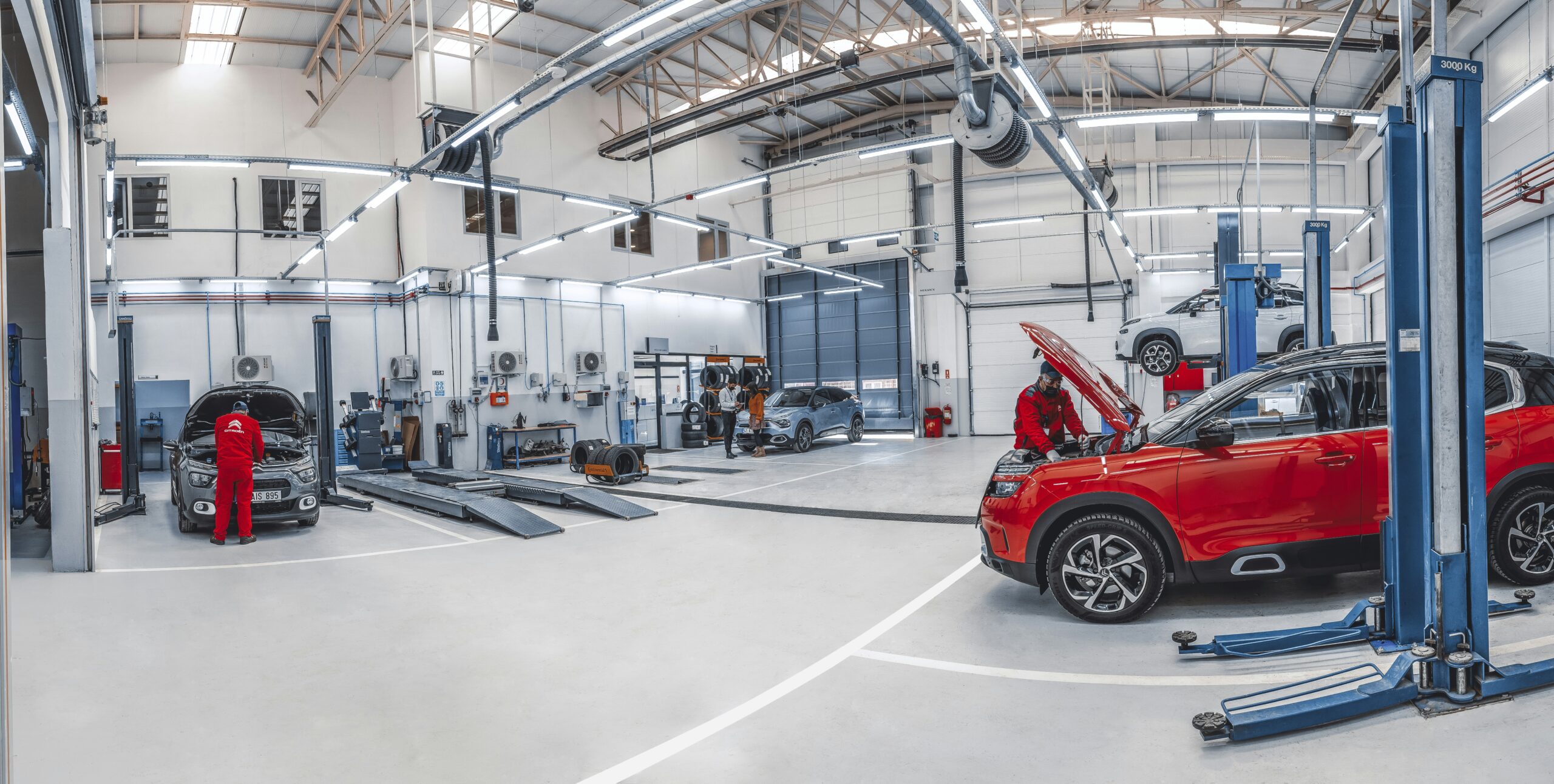
Australia’s automotive industry continues to create opportunities for skilled tradespeople, including qualified automotive mechanics, diesel mechanics, heavy vehicle mechanics, automotive electricians, and related technicians.
For experienced mechanics living outside of Australia, the country offers more than just job opportunities. A successful employer-sponsored position may provide a pathway to legally work in Australia and, depending on the visa type and individual circumstances, could potentially lead to long-term residency.
However, finding genuine automotive mechanic visa sponsorship jobs in Australia requires more than simply searching for advertisements that mention “visa sponsorship.” Various factors, such as the employer, occupation, visa pathway, skills assessment, qualifications, work experience, English language proficiency, and location, all influence an overseas applicant’s eligibility.
This guide explains how the Australian automotive job market operates, which employers and industries international mechanics should research, typical salary ranges, and what qualifications can make an overseas applicant more competitive.
Why Australia Needs Skilled Automotive Mechanics
Australia has a large and geographically dispersed vehicle market.
Cars, trucks, buses, agricultural machinery, mining equipment, construction vehicles, and other heavy machinery operate across metropolitan and regional areas.
This creates ongoing demand for skilled technicians who can:
- Diagnose mechanical problems
- Perform scheduled servicing
- Repair engines
- Maintain transmissions
- Repair braking systems
- Diagnose electrical faults
- Maintain diesel engines
- Service heavy vehicles
- Inspect vehicle components
- Use computerized diagnostic equipment
Demand can be particularly significant in industries where vehicles and machinery are essential to daily operations.
These include:
- Road transport
- Mining
- Agriculture
- Construction
- Logistics
- Automotive dealerships
- Fleet management
- Public transportation
- Equipment hire
- Regional businesses
For foreign mechanics, this means opportunities may exist beyond traditional car repair workshops.
Automotive Mechanic Jobs Available in Australia
The term “automotive mechanic” covers several different occupations.
Understanding the distinction can help international applicants target the right vacancies.
1. Light Vehicle Mechanic
Light vehicle mechanics work primarily on passenger vehicles and smaller commercial vehicles.
Typical responsibilities include:
- Vehicle servicing
- Brake repairs
- Suspension repairs
- Engine diagnostics
- Transmission servicing
- Cooling system repairs
- Steering repairs
- Electrical fault diagnosis
- Pre-purchase inspections
Employers may include:
- Car dealerships
- Independent workshops
- Automotive service chains
- Fleet operators
- Vehicle rental companies
2. Heavy Vehicle Mechanic
Heavy vehicle mechanics maintain large commercial vehicles and equipment.
Examples include:
- Trucks
- Prime movers
- Buses
- Trailers
- Heavy commercial vehicles
Typical responsibilities include:
- Diesel engine maintenance
- Brake system repairs
- Transmission repairs
- Hydraulic systems
- Preventive maintenance
- Fault diagnosis
- Fleet inspections
Heavy vehicle mechanics can be particularly attractive to employers operating large transport fleets.
3. Diesel Mechanic
Diesel mechanics specialize in diesel-powered vehicles and equipment.
Their skills can be valuable in:
- Mining
- Agriculture
- Transport
- Construction
- Logistics
- Heavy equipment
Experience with modern diesel engine management systems can strengthen an applicant’s profile.
4. Automotive Electrician
Modern vehicles increasingly depend on sophisticated electrical and electronic systems.
Automotive electricians may work on:
- Vehicle wiring
- Diagnostic systems
- Batteries
- Sensors
- Lighting systems
- Electronic control units
- Communication systems
- Safety technology
- Electric and hybrid vehicles
Technicians with strong diagnostic and electrical skills can be particularly valuable as vehicle technology becomes more advanced.
5. Fleet Mechanic
They maintain multiple vehicles belonging to a company or organization.
Fleet environments may include:
- Logistics companies
- Delivery companies
- Bus operators
- Government fleets
- Mining companies
- Construction companies
- Rental companies
The work often involves preventive maintenance and minimizing vehicle downtime.
6. Agricultural Machinery Mechanic
Agricultural mechanics maintain machinery used in farming operations.
Equipment can include:
- Tractors
- Harvesters
- Irrigation equipment
- Agricultural vehicles
- Specialized machinery
Opportunities may be concentrated in regional and rural Australia.
7. Mining and Heavy Equipment Mechanic
Mining operations rely heavily on specialized machinery.
Mechanics may work on:
- Heavy trucks
- Excavators
- Loaders
- Drilling equipment
- Haulage equipment
- Diesel-powered machinery
These roles can require significant experience and may involve remote-site or fly-in/fly-out work arrangements.
Top Employers and Industries to Research
International mechanics should avoid assuming that every major automotive company offers sponsorship for every vacancy.
Instead, research companies and industries with substantial automotive, transport, fleet, mining, or heavy-equipment operations and then check individual vacancies for sponsorship eligibility.
Potential employers and employer groups to research include:
- Toyota dealerships and dealer groups
- Ford dealerships and dealer groups
- Mercedes-Benz dealerships
- Isuzu dealerships
- Volvo Group operations
- Penske Australia
- Scania Australia
- Sime Darby Motors
- Inchcape Australasia
- Eagers Automotive
- Mining contractors
- Transport fleet operators
- Regional automotive workshops
The availability of sponsorship varies by employer, occupation, location, and individual vacancy.
Eagers Automotive
Eagers Automotive is one of Australia’s major automotive retail groups, operating a large network of dealerships and automotive businesses.
Its operations span multiple vehicle brands and locations.
International mechanics should monitor vacancies involving:
- Automotive technicians
- Service technicians
- Diagnostic technicians
- Heavy vehicle roles
- Workshop positions
However, applicants should confirm sponsorship directly from the individual vacancy or recruitment team rather than assuming sponsorship is available.
Penske Australia
Penske operates in the heavy commercial vehicle and equipment sector.
Its business interests include brands and products associated with:
- Trucks
- Commercial vehicles
- Engines
- Power systems
- Heavy equipment
This makes heavy vehicle and diesel mechanics potentially relevant candidates for suitable vacancies.
Scania Australia
Scania is a major manufacturer of heavy commercial vehicles and associated transport solutions.
Its operations can create opportunities for technicians working with:
- Heavy trucks
- Diesel engines
- Commercial vehicle systems
- Diagnostics
- Fleet maintenance
Applicants with heavy vehicle experience should monitor relevant vacancies.
Toyota Dealer Network
Toyota has a large dealership and service network throughout Australia.
Automotive technicians may find opportunities in:
- Vehicle servicing
- Diagnostics
- Mechanical repair
- Hybrid vehicle maintenance
- Dealership workshops
The important distinction is that individual dealerships are separate businesses, so sponsorship policies can differ between employers.
Isuzu Dealerships and Commercial Vehicle Employers
Isuzu’s strong presence in Australia’s commercial vehicle market makes its dealer network another area worth researching.
Heavy vehicle mechanics with experience in:
- Diesel engines
- Truck servicing
- Diagnostics
- Fleet maintenance
may find suitable opportunities.
Mining Companies and Contractors
For experienced diesel and heavy equipment mechanics, mining can be an important part of the Australian employment market.
Potential employers include major mining companies and their contractors.
Mechanics may maintain:
- Haul trucks
- Excavators
- Loaders
- Drilling equipment
- Light vehicles
- Site support vehicles
Some roles are located in regional areas or remote mine sites.
Transport and Logistics Companies
Australia’s logistics sector depends heavily on trucks and commercial vehicles.
Large fleets require technicians to keep vehicles operational.
Potential positions include:
- Heavy vehicle mechanic
- Diesel mechanic
- Fleet technician
- Workshop technician
- Mobile mechanic
- Maintenance technician
International applicants should search transport companies as well as conventional automotive workshops.
Regional Australia Can Offer More Opportunities
Many skilled trade opportunities exist outside Australia’s largest cities.
Regional employers can experience greater difficulty recruiting qualified technicians, particularly for:
- Heavy vehicle maintenance
- Diesel mechanics
- Agricultural machinery
- Mining equipment
- Fleet maintenance
This can make regional Australia worth considering for foreign mechanics.
However, regional work should never be viewed as an automatic route to sponsorship.
The specific employer and visa requirements still apply.
Automotive Mechanic Salary in Australia
Automotive mechanic salaries vary considerably.
Factors affecting pay include:
- Qualification level
- Years of experience
- Specialization
- Location
- Employer
- Shift arrangements
- Overtime
- Industry
- Remote-site allowances
Indicative salary ranges may look like:
| Position | Approximate Annual Salary (AUD) |
|---|---|
| Light Vehicle Mechanic | $65,000–$90,000 |
| Experienced Automotive Technician | $75,000–$105,000 |
| Heavy Vehicle Mechanic | $80,000–$120,000 |
| Diesel Mechanic | $85,000–$125,000 |
| Mining/Heavy Equipment Mechanic | $100,000–$150,000+ |
These are broad market estimates rather than guaranteed salaries.
Remote work, overtime, allowances, and specialist skills can significantly affect total compensation.
Applicants should compare the base salary, overtime, allowances, accommodation, roster, and other benefits before accepting an offer.
Skills Australian Employers Look For
A competitive overseas mechanic should have more than basic mechanical knowledge.
Employers commonly value:
- Vehicle diagnostics
- Preventive maintenance
- Engine repair
- Transmission repair
- Brake systems
- Suspension
- Steering
- Electrical diagnostics
- Computerized diagnostic equipment
- Workshop safety
- Fault finding
- Technical documentation
For heavy vehicle positions, experience with diesel engines and commercial vehicle systems is especially valuable.
Experience With Modern Diagnostic Equipment
Today’s mechanics increasingly rely on diagnostic technology.
Experience with:
- OBD diagnostic systems
- Scan tools
- Electronic control systems
- Diagnostic software
- Vehicle management systems
can strengthen an application.
Mechanics who can combine traditional mechanical skills with modern diagnostics are particularly attractive to technology-driven workshops.
Electric and Hybrid Vehicle Skills
The automotive industry is changing rapidly.
Electric and hybrid vehicles require technicians who understand:
- High-voltage systems
- Battery systems
- Electric motors
- Regenerative braking
- Electronic diagnostics
- Safety procedures
Foreign mechanics who invest in EV and hybrid training can improve their long-term employability.
Qualifications for Overseas Mechanics
A formal trade qualification can significantly strengthen an Australian employment application.
Examples of relevant qualifications may include:
- Automotive trade certificates
- Diploma-level automotive qualifications
- Manufacturer training
- Heavy vehicle certifications
- Diesel mechanic qualifications
- Automotive electrical qualifications
The exact qualification required depends on the occupation and employer.
For migration purposes, applicants may also need a formal skills assessment.
Why Skills Assessment Matters
A skills assessment determines whether an applicant’s qualifications and experience are comparable to Australian requirements for the nominated occupation.
The assessing authority depends on the occupation and migration pathway.
Applicants should not assume that having many years of work experience automatically satisfies Australian migration requirements.
Qualifications, employment evidence, technical competencies, and other factors may be assessed.
Documents You Should Begin Preparing
Overseas mechanics should start collecting:
- Passport
- Trade certificates
- Diploma certificates
- Academic transcripts
- Employment reference letters
- Payslips
- Tax records where applicable
- Employment contracts
- Training certificates
- Driver’s licence
- Professional licences
- Updated CV
- Police certificates when required
- English test results where required
Employment evidence is particularly important.
Reference letters should clearly state:
- Job title
- Employment dates
- Hours worked
- Main duties
- Employer details
- Salary where appropriate
What Makes a Foreign Mechanic Competitive?
A strong candidate may have:
Trade qualification + several years of experience + strong diagnostics skills + English ability + relevant industry experience + clean employment documentation.
For heavy vehicle and mining roles, additional experience with commercial fleets or heavy machinery can provide a significant advantage.
Beware of Fake Visa Sponsorship Jobs
International job seekers should be extremely cautious when dealing with recruiters or individuals promising guaranteed sponsorship.
Red flags include:
- Requests for large upfront payments
- Guaranteed visa promises
- Fake employment contracts
- Recruitment conducted only through messaging apps
- Requests to pay for a “sponsorship certificate”
- Pressure to transfer money immediately
- Employer details that cannot be verified
- Salary offers that appear unrealistically high
A legitimate employer does not need to promise that a visa will definitely be granted.
Visa decisions are made under Australian immigration law.
How to Approach Australian Employers
Do not simply send a CV saying:
“I need visa sponsorship.”
Instead, demonstrate your value first.
Your application should clearly show:
- Your trade qualification
- Years of experience
- Vehicle types you have worked on
- Diagnostic skills
- Relevant certifications
- Current location
- Availability
- English ability
- Willingness to relocate
Then clearly state that you are seeking an employer willing and able to consider an appropriate sponsorship pathway.
If you are an automotive mechanic outside Australia and want to work for an Australian employer, understanding the visa system is just as important as finding a job.
Australia does not issue a work visa simply because someone has experience as a mechanic. Usually, an eligible employer must nominate the worker, the nominated occupation must fit the relevant visa requirements, and the applicant must satisfy skills, English, health, character, and other criteria.
For 2026, one of the most important employer-sponsored pathways is the Skills in Demand (SID) visa, subclass 482. The previous Temporary Skill Shortage (TSS) subclass 482 system has been replaced by the SID visa.
The Australian Government states that the SID visa allows an approved employer to sponsor a suitably skilled worker where it cannot find an appropriately skilled Australian worker. The Core Skills stream can allow eligible workers to remain in Australia for up to four years.
For automotive mechanics, however, the crucial question is whether the specific occupation and job offer satisfy the current requirements.
Australian Visa Options for Automotive Mechanics
Several employer-sponsored pathways may potentially be relevant to skilled automotive professionals.
The main ones to research are:
- Skills in Demand visa (subclass 482)
- Employer Nomination Scheme (subclass 186)
- Skilled Employer Sponsored Regional visa (subclass 494)
- Labour Agreement pathways
- Designated Area Migration Agreement (DAMA) pathways, where applicable
The correct pathway depends on the occupation, employer, location, salary, qualifications, experience, and the employer’s sponsorship arrangements.
1. Skills in Demand Visa — Subclass 482
The Skills in Demand visa (subclass 482) is one of the most important temporary employer-sponsored visas for skilled workers.
Under the Core Skills stream, an applicant generally needs to:
- Be nominated by an approved sponsor
- Work in an occupation on the Core Skills Occupation List
- Have the necessary skills and experience
- Have at least one year of relevant work experience in the nominated occupation or a related field
- Meet the relevant English requirement unless exempt
- Meet any mandatory skills-assessment requirement
- Meet health and character requirements
The Department of Home Affairs states that Core Skills stream applicants must be nominated for an occupation on the Core Skills Occupation List and satisfy the relevant salary requirements.
How Long Can You Stay?
The Core Skills stream generally allows employment in Australia for up to four years, subject to the conditions of the visa and nomination.
This makes subclass 482 particularly relevant to overseas mechanics who have secured an eligible employer-sponsored position.
2. Employer Nomination Scheme — Subclass 186
The Employer Nomination Scheme (ENS), subclass 186, is a permanent employer-sponsored visa.
Unlike a temporary sponsored visa, subclass 186 can allow an eligible skilled worker to live and work permanently in Australia.
The visa has different streams, including:
- Direct Entry
- Temporary Residence Transition
- Labour Agreement
The Direct Entry stream requires an Australian employer nomination and an eligible occupation, while the Temporary Residence Transition stream is designed for eligible sponsored workers transitioning to permanent residence.
For an overseas mechanic, this means that permanent residence may be possible in some circumstances, but it should not be presented as automatic simply because an employer sponsors the worker for a temporary position.
3. Skilled Employer Sponsored Regional Visa — Subclass 494
The subclass 494 visa is designed for skilled workers nominated by employers in designated regional areas of Australia.
This can be particularly relevant to mechanics because automotive and heavy-equipment businesses operate throughout regional Australia.
Potential regional employers may include:
- Regional dealerships
- Truck workshops
- Transport fleets
- Agricultural businesses
- Mining contractors
- Heavy equipment companies
- Regional automotive repair businesses
However, the job must satisfy the current visa requirements and be located in an eligible regional area.
Applicants should verify the exact regional classification and occupation rules before applying.
4. Labour Agreement Pathways
Some Australian employers can access overseas skilled workers through labour agreements.
The Australian Government explains that labour agreements can allow approved businesses to sponsor skilled overseas workers where there is a demonstrated need that cannot be met through the Australian labour market and standard temporary or permanent visa programmes are not available.
Labour agreements can support visa applications under programmes including:
- Subclass 482
- Subclass 186
- Subclass 494
There are several types of labour agreements, including:
- Industry labour agreements
- Company-specific labour agreements
- Designated Area Migration Agreements (DAMA)
The availability of a particular occupation under a labour agreement depends on the agreement itself.
5. Designated Area Migration Agreements
A DAMA is an agreement covering a specific geographical area.
DAMA arrangements can provide employers in participating regions with access to a broader range of occupations and, in some circumstances, concessions that are not available through standard skilled migration programmes.
For an automotive mechanic, this means that a regional vacancy may sometimes offer a migration pathway that a similar metropolitan vacancy does not.
However, a DAMA does not mean every employer in that region can automatically sponsor every mechanic.
The employer must participate in the relevant agreement and meet its requirements.
Understanding the Automotive Mechanic Occupation
Before applying for sponsorship, overseas mechanics need to identify the occupation that most accurately describes their skills.
Jobs and Skills Australia lists Motor Mechanics (General) under ANZSCO 321211.
The occupation involves maintaining, testing, and repairing petrol engines and mechanical components of light vehicles, including:
- Transmissions
- Suspension
- Steering
- Brakes
- Engines
- Mechanical components
The occupation profile also identifies computer-assisted diagnostics as part of modern motor mechanic work.
Other occupations within the broader Motor Mechanics group include:
- Diesel Motor Mechanics
- Motorcycle Mechanics
- Small Engine Mechanics
Choosing the correct occupation is important because the occupation code affects skills assessment and visa eligibility.
Motor Mechanic vs Diesel Mechanic
An overseas mechanic should not automatically apply under “Motor Mechanic (General)” simply because the job advertisement uses the word mechanic.
A technician primarily repairing passenger vehicles may have a different occupational profile from someone specializing in heavy diesel equipment.
For example:
Light Vehicle Mechanic
Typical work:
- Passenger vehicles
- Petrol engines
- Vehicle servicing
- Brakes
- Suspension
- Steering
- Diagnostics
Diesel Mechanic
Typical work:
- Trucks
- Heavy vehicles
- Diesel engines
- Mining equipment
- Agricultural machinery
- Commercial fleets
Your actual duties, training, qualifications, and experience should align with the nominated occupation.
Skills Assessment
A skills assessment may be required depending on your visa, occupation, passport, and circumstances.
The Department of Home Affairs states that some primary SID applicants must undergo a mandatory skills assessment and identifies Trades Recognition Australia (TRA) or VETASSESS as relevant assessing authorities depending on the occupation and circumstances.
If a mandatory assessment applies to you, it is particularly important to begin it early.
The Department warns that where a mandatory skills assessment is required, it must be commenced before the visa application is submitted.
Trades Recognition Australia
Trades Recognition Australia (TRA) is an Australian Government skills-assessment authority for certain trade occupations.
For overseas automotive professionals, TRA may be relevant depending on the nominated occupation and visa pathway.
Applicants should check the current TRA programme requirements rather than relying on information from recruitment agents or social media groups.
The assessment process can require evidence such as:
- Qualifications
- Employment history
- Identity documents
- Technical experience
- Employment references
- Supporting evidence
Requirements vary according to the relevant assessment pathway.
English Language Requirements
English proficiency is another important part of many Australian skilled visa applications.
For the subclass 482 Core Skills stream, the Department of Home Affairs requires applicants to meet minimum English standards unless an exemption applies.
Accepted evidence can depend on the visa rules and circumstances.
Applicants should therefore check the current Home Affairs requirements before booking an examination.
Do not assume that because you work in an English-speaking workshop or completed a qualification in English you automatically qualify for an exemption.
Work Experience Requirement
Under the current Core Skills stream rules, applicants must generally have at least one year of relevant work experience in the nominated occupation or a related field.
For an automotive mechanic, relevant experience may involve:
- Vehicle servicing
- Engine repair
- Diagnostics
- Transmission repair
- Brake systems
- Suspension
- Electrical systems
- Fleet maintenance
- Heavy vehicle repair
The experience should be genuine and supported by credible documentation.
Employment Evidence Is Extremely Important
Overseas mechanics should maintain detailed evidence of their professional history.
Useful documents may include:
- Employment reference letters
- Contracts
- Payslips
- Bank statements showing salary payments
- Tax records
- Social security records
- Work permits
- Training certificates
- Employer contact details
A reference letter should ideally identify:
- Your position
- Employment start date
- Employment end date
- Hours worked
- Salary
- Main duties
- Employer information
Simply stating “worked as a mechanic for five years” may not provide enough evidence.
Salary Requirements for Employer Sponsorship
Salary is an important part of Australian employer-sponsored migration.
For subclass 482, 494 and 186 nominations, employers must comply with relevant salary requirements and market salary rules.
For nominations lodged from 1 July 2026 to 30 June 2027, the Core Skills Income Threshold is AUD 79,423. The Department also requires employers to determine the Annual Market Salary Rate correctly and avoid paying an overseas worker less than an equivalent Australian worker.
This does not mean every mechanic automatically earns AUD 79,423.
Rather, the relevant visa nomination must satisfy the applicable salary rules.
Employers must also ensure that the overseas worker is not being used to undercut Australian wages.
What Does This Mean for Mechanics?
Suppose a workshop advertises an automotive mechanic position at a salary below the applicable visa threshold.
Even if the applicant is highly experienced, that particular vacancy may not work for a Core Skills subclass 482 nomination if the salary and other requirements are not satisfied.
This is why international applicants should examine the complete employment offer, not just the job title.
Consider:
- Base salary
- Overtime
- Allowances
- Accommodation
- Roster
- Location
- Employer sponsorship
- Visa stream
- Market salary rate
Qualifications Australian Employers May Prefer
Employers may look for candidates holding:
- Automotive trade certificates
- Automotive diplomas
- Diesel mechanic qualifications
- Heavy vehicle qualifications
- Automotive electrical qualifications
- Manufacturer certifications
- Diagnostic training
Australian employers may also value experience with particular vehicle brands or systems.
Modern Automotive Skills Can Improve Your Chances
Mechanics should consider developing skills in:
- Computerized diagnostics
- Electronic engine management
- Hybrid systems
- Electric vehicles
- Advanced driver-assistance systems
- Automotive air conditioning
- Automatic transmissions
- Diesel emissions systems
- Fleet management systems
The automotive industry is increasingly dependent on electronic systems.
A mechanic who combines mechanical expertise with diagnostics and electronics can be more competitive than someone relying exclusively on traditional mechanical repair skills.
Heavy Vehicle Experience Can Be Valuable
Applicants with heavy vehicle experience should highlight it clearly.
Relevant experience can include:
- Trucks
- Buses
- Prime movers
- Trailers
- Commercial fleets
- Diesel engines
- Hydraulic systems
- Heavy equipment
This can help distinguish an experienced heavy-vehicle technician from a general light-vehicle mechanic.
Regional Sponsorship Strategy
If your primary objective is to find an employer-sponsored opportunity, do not limit your search to Sydney, Melbourne, or Brisbane.
Consider:
- Queensland regional areas
- Western Australia regional areas
- South Australia
- Tasmania
- Northern Territory
- Regional New South Wales
- Regional Victoria
Regional areas can have strong demand for mechanics supporting agriculture, transport, mining, construction, and local vehicle fleets.
Nevertheless, regional does not automatically mean sponsored.
Always verify the employer, vacancy, occupation, and visa pathway.
A Practical Eligibility Checklist
Before applying for an Australian automotive mechanic sponsorship position, ask yourself:
Qualification
Do I have a recognized automotive trade qualification?
Experience
Do I have at least one year of relevant experience for the applicable visa pathway?
Occupation
Does my actual work match the nominated occupation?
Skills Assessment
Do I need a formal skills assessment?
English
Can I meet the applicable English requirement?
Employer
Is the employer an approved sponsor or able to nominate workers through an appropriate pathway?
Salary
Does the proposed salary satisfy the applicable visa and market salary requirements?
Location
If using a regional pathway, is the position in an eligible regional area?
Documentation
Can I prove my qualifications and employment history?
If the answer to these questions is yes, you may have a much stronger starting position.
The Biggest Mistake to Avoid
The biggest mistake is assuming:
“I am a mechanic, therefore Australia will sponsor me.”
The Australian system does not work that way.
You need the right combination of:
occupation + employer + nomination + qualifications + skills + experience + English + salary + visa eligibility.
If one critical component does not meet the applicable rules, sponsorship may not be possible through that particular pathway.
Finding an Australian employer willing to sponsor you is only one part of the process. The next challenge is presenting yourself as a qualified professional who can genuinely fill a skills gap.
For overseas automotive mechanics, this means approaching the Australian job market strategically, targeting the right employers, preparing Australian-style application documents, and understanding how sponsorship actually works.
Current Australian job listings show that mechanic and automotive technician opportunities are available across states including Western Australia, Queensland, South Australia, New South Wales and Victoria. Some current listings specifically advertise visa sponsorship, including heavy vehicle mechanic opportunities in Western Australia.
How to Find Automotive Mechanic Visa Sponsorship Jobs in Australia
The best strategy is to combine mainstream Australian job boards with direct employer searches and official government resources.
Useful search terms include:
- Automotive mechanic visa sponsorship Australia
- Motor mechanic sponsorship Australia
- Automotive technician 482 sponsorship
- Heavy vehicle mechanic visa sponsorship
- Diesel mechanic sponsorship Australia
- Automotive technician overseas sponsorship
- Motor mechanic jobs regional Australia
- Heavy vehicle technician sponsorship
- Diesel mechanic 482 visa
- Automotive electrician sponsorship Australia
One important point: a job-board search containing the words “visa sponsorship” does not necessarily mean that every result offers sponsorship.
For example, current SEEK search pages return thousands of results for mechanic and automotive technician sponsorship-related searches, but individual advertisements must still be checked to determine whether sponsorship is genuinely available for the particular candidate and position.
1. SEEK Australia
SEEK is one of the most useful places to monitor Australian automotive vacancies.
Current searches include automotive technician, motor mechanic and heavy vehicle positions, including advertisements that specifically mention sponsorship.
When searching, use filters for:
- Automotive Trades
- Full-time
- Location
- Salary
- Sponsorship keywords
Search separately for:
“Automotive Technician”
“Motor Mechanic”
“Heavy Vehicle Mechanic”
“Diesel Mechanic”
“Visa Sponsorship”
This prevents you from missing suitable vacancies simply because an employer uses a different job title.
2. Workforce Australia
Workforce Australia is the Australian Government’s employment platform.
It is useful for checking vacancies and understanding the Australian employment market.
However, do not assume that a vacancy advertised on a government employment platform automatically includes visa sponsorship.
You still need to determine whether the employer is willing and legally able to sponsor an overseas worker.
3. Direct Employer Websites
Some of the best opportunities may be found by going directly to company career pages.
Research:
- Automotive dealership groups
- Truck manufacturers
- Heavy vehicle dealerships
- Mining companies
- Mining contractors
- Transport companies
- Fleet management companies
- Agricultural machinery companies
- Equipment companies
- Regional workshops
Search the company’s careers page for:
Mechanic
Automotive Technician
Heavy Vehicle Technician
Diesel Mechanic
Workshop Technician
Then examine whether the vacancy mentions sponsorship or overseas applicants.
4. Recruitment Agencies
Recruitment agencies can be useful because some employers use agencies to source skilled mechanics from overseas.
Look for recruiters specializing in:
- Automotive trades
- Heavy vehicle trades
- Mining
- Engineering
- Skilled migration
- Regional recruitment
A current SEEK listing, for example, advertises Heavy Vehicle Mechanic positions in Karratha, Western Australia, through Lorg Talent and explicitly states that visa sponsorship is available for eligible candidates. The advertisement also mentions heavy vehicles, buses and equipment, together with a 2:1 roster and FIFO or residential options.
That type of advertisement is more relevant to an overseas applicant than a generic mechanic vacancy that merely appears in a “visa sponsorship” search.
What to Put in Your Australian Automotive Mechanic CV
An Australian employer should be able to understand your qualifications and experience within seconds.
Keep your CV clear and professional.
A useful structure is:
Personal Details
Include:
- Full name
- Phone number
- Current country
- LinkedIn profile, if relevant
You do not need to include unnecessary personal information.
Professional Summary
Your opening section should immediately communicate your value.
For example:
Qualified Automotive Technician with 8+ years of experience in light vehicle diagnostics, engine repair, transmission servicing, brake systems, suspension and computerized fault diagnosis. Experienced in workshop safety, preventive maintenance and customer vehicle inspections. Currently seeking an Australian employer-sponsored automotive technician opportunity.
Adapt this to your actual experience.
Do not claim skills you do not possess.
Technical Skills
Create a dedicated skills section.
For example:
- Engine diagnostics
- Engine rebuilding
- Automatic transmission
- Manual transmission
- Brake systems
- Suspension
- Steering
- Air conditioning
- Electrical diagnostics
- OBD scanning
- Preventive maintenance
- Vehicle inspection
- Fault finding
- Workshop safety
Heavy vehicle mechanics should add relevant diesel and commercial-vehicle skills.
Employment History
For each employer, include:
Job Title
Company
Country
Dates
Then provide concise bullet points describing your actual duties.
For example:
- Diagnosed mechanical and electrical faults using computerized diagnostic equipment.
- Performed scheduled servicing and preventive maintenance.
- Repaired engines, transmissions, suspension and braking systems.
- Conducted road tests following repairs.
- Maintained workshop safety procedures.
Where possible, include measurable achievements.
Highlight Vehicle Brands
If you have experience with particular manufacturers, mention them.
Examples could include:
- Toyota
- Ford
- Mercedes-Benz
- Isuzu
- Volvo
- Scania
- MAN
- Hino
- Mitsubishi Fuso
Only list brands you have actually worked with.
Heavy Vehicle Mechanics Should Emphasize Fleet Experience
If you have worked on commercial fleets, make that obvious.
Include experience with:
- Trucks
- Buses
- Prime movers
- Trailers
- Fleet vehicles
- Mining vehicles
- Agricultural machinery
Australian employers may be particularly interested in technicians who can reduce vehicle downtime.
Include Your Trade Qualification
Do not bury your qualification at the bottom of the CV.
Create a dedicated section such as:
Qualifications
Automotive Engineering Technician Certificate — [Institution]
Year: 2018
Country: Nigeria
Then list relevant additional training.
Include Diagnostic and EV Training
If you have completed training in:
- OBD diagnostics
- Hybrid vehicles
- Electric vehicles
- High-voltage safety
- Electronic engine management
- Manufacturer diagnostic systems
include it prominently.
Modern automotive repair increasingly involves electronics and computerized systems.
Should You Mention Visa Sponsorship in Your CV?
Yes, but professionally.
You could write:
Work authorization: Currently based outside Australia; seeking an eligible employer-sponsored position.
This tells the recruiter immediately that you require sponsorship without making the entire application about immigration.
How to Write Your Cover Letter
Your cover letter should answer three questions:
- What can you do?
- Why are you interested in this employer?
- Why should the employer consider you?
Avoid writing a long personal story.
Focus on your skills and value.
Example Cover Letter Opening
A strong opening might say:
I am a qualified automotive mechanic with [X] years of experience in vehicle servicing, diagnostics and mechanical repairs. I am interested in the Automotive Technician position with [Company] and would welcome consideration for an eligible employer-sponsored pathway where available.
Then explain your relevant experience.
Don’t Lead With “I Need a Visa”
An employer is primarily interested in whether you can do the job.
Instead of:
“Please sponsor me because I want to move to Australia.”
Write:
“I have extensive experience diagnosing and repairing [vehicle types] and am interested in contributing these skills to your workshop. I am currently seeking an employer-sponsored opportunity in Australia and would be available to relocate subject to visa approval.”
This is more professional.
Prepare for the Automotive Technician Interview
Australian employers may ask technical and behavioural questions.
Prepare for questions such as:
How do you diagnose an engine that won’t start?
Explain your diagnostic process logically.
For example:
- Confirm the complaint
- Check battery and starting system
- Check fuel delivery
- Check ignition
- Check engine management
- Scan for fault codes
- Test relevant sensors
- Confirm the root cause before replacing components
Another Common Question
How do you approach a recurring vehicle fault?
Explain that you do not simply replace parts repeatedly.
Discuss:
- Reviewing previous repair history
- Reproducing the fault
- Checking diagnostic data
- Testing components
- Identifying the root cause
- Confirming the repair
Safety Questions
Expect questions about workshop safety.
You may be asked about:
- Personal protective equipment
- Vehicle lifting
- Electrical systems
- Battery safety
- High-voltage systems
- Hazardous substances
- Workshop housekeeping
For hybrid and EV positions, high-voltage safety is particularly important.
Interview Questions About Visa Sponsorship
Recruiters may ask:
Are you currently in Australia?
What visa do you hold?
Will you require sponsorship?
Are you willing to relocate to a regional area?
How soon can you start?
Answer honestly.
Do not claim that you already have Australian work rights if you do not.
Be Flexible About Location
One of the strongest strategies for overseas applicants is geographic flexibility.
Instead of applying only to Sydney and Melbourne, consider opportunities in:
- Western Australia
- Queensland
- South Australia
- Tasmania
- Northern Territory
- Regional New South Wales
- Regional Victoria
Current job listings show sponsorship-related automotive opportunities in locations such as Karratha, Perth, Broken Hill, Brisbane and other regional areas.
Why Regional Australia May Be Worth Considering
Regional employers can face difficulty finding qualified tradespeople.
A mechanic willing to relocate may therefore have access to opportunities that someone applying only to major cities would miss.
Regional positions can be found in:
- Transport
- Agriculture
- Mining
- Construction
- Automotive dealerships
- Fleet maintenance
However, regional employment does not automatically guarantee sponsorship or permanent residence.
The individual vacancy must still meet the relevant migration requirements.
Heavy Vehicle Mechanics Should Consider Western Australia
Western Australia deserves particular attention from experienced heavy vehicle and diesel mechanics.
The state has major:
- Mining operations
- Transport fleets
- Equipment companies
- Heavy vehicle dealerships
- Regional workshops
Current listings include heavy vehicle mechanic vacancies in the Pilbara/Karratha region that advertise sponsorship for eligible candidates.
Applicants with experience in trucks, buses, prime movers and heavy equipment should monitor Western Australian opportunities closely.
Consider Mining and FIFO Roles
Some mechanics can find opportunities through mining-related employers.
FIFO means Fly-In Fly-Out.
Instead of living permanently at the mine site, workers may travel between their home base and the site according to a roster.
Common rosters include:
- 2 weeks on / 1 week off
- 8 days on / 6 days off
- 2 weeks on / 2 weeks off
Actual rosters vary by employer.
Mining mechanics may work on:
- Heavy trucks
- Excavators
- Loaders
- Drills
- Diesel equipment
- Light vehicles
Understand the Difference Between Sponsorship and a Job
This distinction can save applicants from wasting months.
Job Advertisement
An employer wants a mechanic.
Sponsorship
The employer is prepared and eligible to nominate a suitable overseas worker through an applicable migration pathway.
Visa Grant
The Australian Government assesses the visa application and decides whether the applicant meets the legal requirements.
These are three different stages.
A recruiter saying:
“We are looking for mechanics”
does not mean:
“We will sponsor you.”
How to Verify a Sponsorship Claim
Ask the recruiter directly:
“Is employer sponsorship available for this specific position and candidate, and which visa pathway is being considered?”
You can also ask:
- Is the employer an approved sponsor?
- Is sponsorship available to applicants outside Australia?
- Is the position eligible for the nominated occupation?
- Is the salary compliant with the relevant visa requirements?
- Does the employer use a labour agreement?
- Is the position regional?
- Does the employer sponsor experienced overseas mechanics?
A legitimate recruiter should be able to provide clear information.
Avoid Paying for a Job
Be extremely cautious if someone asks you to pay thousands of dollars for:
- A guaranteed job
- Guaranteed sponsorship
- A nomination
- An employment certificate
- A “sponsorship slot”
- A visa approval
The existence of an application or recruitment fee does not by itself prove fraud, but guaranteed sponsorship in exchange for large payments is a major warning sign.
Verify everything independently.
Don’t Buy Fake Employment Documents
Never purchase:
- Fake reference letters
- Fake certificates
- Fake payslips
- Fake employment contracts
- Fake skills assessments
Australian immigration authorities can verify information.
False or misleading information can seriously damage a visa application and may have legal consequences.
A Better Application Strategy
Instead of applying to 100 random jobs, create a targeted list of approximately 20–30 employers.
Divide them into categories:
Category A — Confirmed Sponsorship
Vacancies explicitly stating sponsorship is available.
Category B — Potential Sponsors
Employers with a history or apparent capacity to sponsor skilled workers but whose current advertisement does not explicitly mention it.
Category C — Regional Employers
Businesses in regional locations where your skills may be in demand.
Apply to Category A first.
Then approach Category B professionally.
Documents to Have Ready Before Applying
Create a digital folder containing:
- Passport
- CV
- Trade certificate
- Diploma
- Academic transcript
- Employment references
- Payslips
- Training certificates
- Driver’s licence
- Diagnostic training certificates
- English test result, if available
- Skills assessment documents
- Police certificate when required
Having these ready allows you to respond quickly when an employer requests additional information.
How Long Can the Process Take?
There is no single timeline.
A successful overseas mechanic may need to complete several stages:
Job search → employer interview → job offer → employer sponsorship/nomination → skills assessment where required → visa application → health/character checks → visa decision → relocation.
The process can take considerably longer if documents are incomplete or an assessment is required.
Do not resign from your current job or purchase expensive non-refundable travel arrangements simply because an employer has expressed interest.
Wait until the relevant visa and employment arrangements are properly confirmed.
Australian Automotive Mechanic Job Search Checklist
Before submitting an application, confirm:
- The job matches my actual occupation
- I meet the qualification requirements
- I have sufficient relevant experience
- I can prove my employment history
- I understand whether a skills assessment is required
- I meet the applicable English requirement
- The employer genuinely offers sponsorship
- The salary satisfies applicable requirements
- I understand the proposed visa pathway
- I have checked the employer’s identity
- I have not paid anyone for a guaranteed visa
- My CV is tailored to the vacancy
- My references are available
Frequently Asked Questions
Can an overseas automotive mechanic get sponsored to work in Australia?
Yes, potentially.
Qualified overseas mechanics may be eligible for employer-sponsored pathways when their occupation, qualifications, experience, employer, salary and other requirements satisfy the relevant visa rules.
Sponsorship is not guaranteed.
Which mechanics are most likely to find opportunities?
Demand varies, but overseas applicants may find opportunities in areas such as:
- Heavy vehicle mechanics
- Diesel mechanics
- Automotive technicians
- Fleet mechanics
- Mining equipment mechanics
- Automotive electricians
- Diagnostic technicians
The strongest opportunities depend on the current labour market and individual employer requirements.
Can a mechanic from Nigeria apply for Australian sponsorship?
Yes, a Nigerian mechanic can apply for Australian jobs and relevant employer-sponsored visas if they meet the applicable requirements.
Nationality alone does not guarantee eligibility.
Do Australian employers sponsor mechanics without Australian qualifications?
Potentially, depending on the occupation, visa pathway and assessment requirements.
However, overseas qualifications may need to be assessed, and employers may prefer candidates whose training and experience closely match Australian standards.
Is a skills assessment always required?
No.
Whether a skills assessment is mandatory depends on the visa, occupation, passport and individual circumstances.
Check the current Home Affairs and relevant assessing-authority requirements before applying.
Can a mechanic bring a family to Australia?
Some Australian employer-sponsored visas allow eligible visa holders to include or later bring eligible family members.
The exact rules depend on the visa subclass and individual circumstances.
Applicants should check the current Department of Home Affairs requirements before making family relocation plans.
Can a sponsored mechanic eventually obtain permanent residence?
Potentially.
Some employer-sponsored pathways can lead to permanent residence if the worker and employer satisfy the relevant requirements.
The pathway is not automatic.
Official Australian Resources to Explore
Applicants should rely primarily on Australian Government sources when checking visa rules.
Australian Government — Department of Home Affairs
Motor Mechanics (General) — Jobs and Skills Australia
Workforce Australia
Important Reminder
Use official Australian Government websites to verify visa requirements and reputable employment platforms to find vacancies.
Do not assume that an advertisement mentioning “visa sponsorship” guarantees that you will receive sponsorship. Confirm the specific position, employer, occupation, salary and visa pathway before making financial commitments.
Australian immigration and skills-assessment requirements can change, so always check the latest information before submitting an application.
Final Thoughts
Australia remains an attractive destination for experienced automotive mechanics, but overseas applicants need to approach the market with realistic expectations.
There are genuine sponsorship-related mechanic vacancies being advertised. Current listings include heavy vehicle mechanic opportunities in Western Australia that explicitly mention visa sponsorship for eligible candidates, while other current advertisements cover automotive technicians, motor mechanics and diesel mechanics in several states.
The best candidates are those who can demonstrate a combination of:
recognized trade training + relevant experience + strong diagnostic skills + documented employment history + English ability + willingness to relocate + eligibility for an appropriate employer-sponsored pathway.
Do not focus exclusively on large cities or famous automotive brands. Regional workshops, transport fleets, mining contractors, heavy vehicle businesses and equipment companies can also be important sources of opportunities.
Most importantly, verify sponsorship before making financial commitments. A vacancy appearing in a “visa sponsorship” search is not itself proof that the employer will sponsor you.
For 2026 applicants, the most reliable approach is to combine SEEK and other Australian job boards, direct employer career pages, specialist recruiters, and official Department of Home Affairs information.
If you have the right skills and experience, prepare your documents now, tailor your CV for Australian employers, target genuine sponsorship vacancies, and apply consistently rather than relying on agents promising guaranteed jobs.