Australia’s mining, construction, infrastructure, and resources industries continue to create a strong demand for skilled tradespeople who can maintain and repair heavy machinery. For experienced mechanics, diesel fitters, and mobile plant technicians, this makes Australia an attractive destination for international employment opportunities.
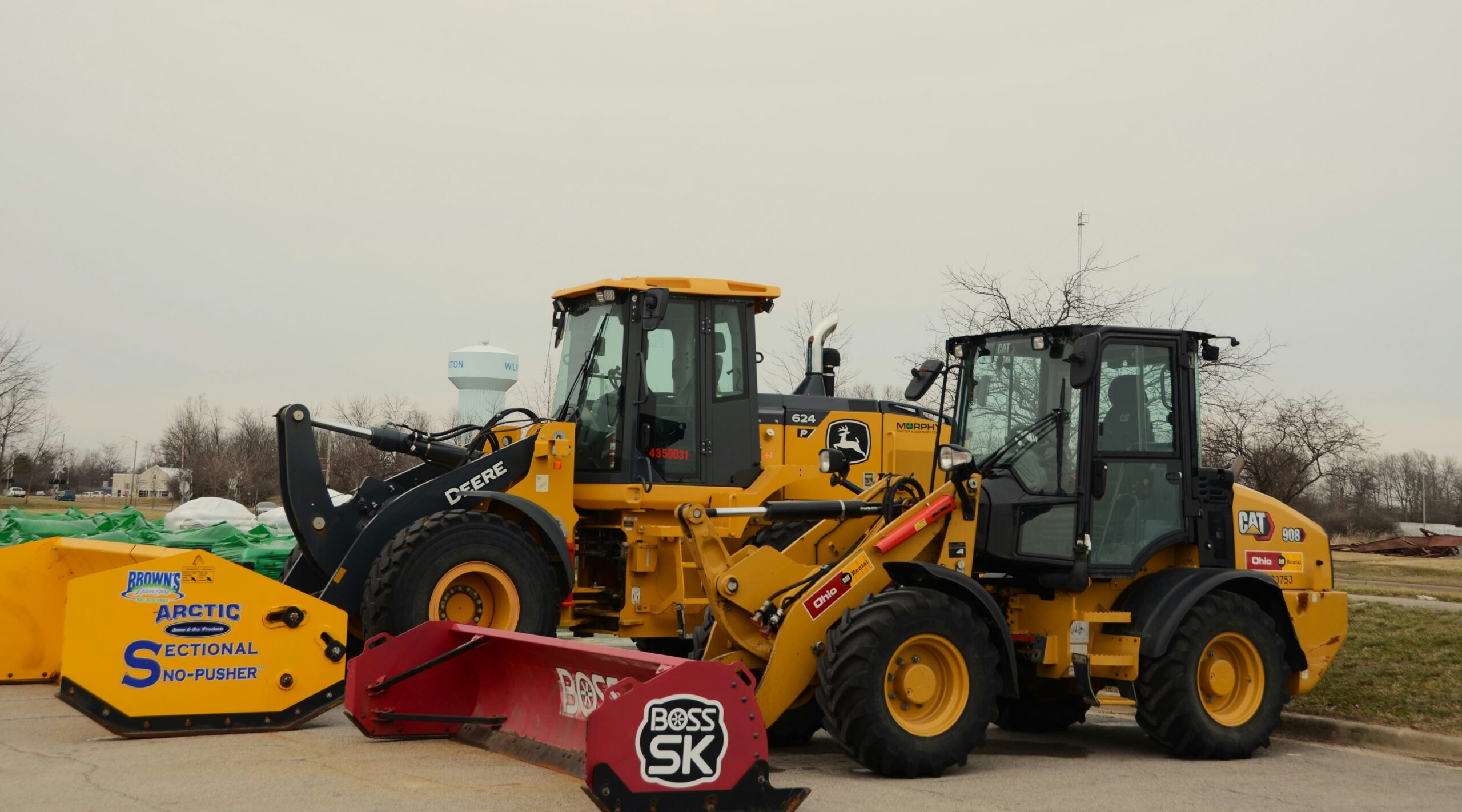
Heavy-duty equipment mechanics are responsible for working on the machines that keep mines, construction sites, quarries, transport operations, and infrastructure projects operational. Depending on the employer and the specific area of focus, their work may involve excavators, haul trucks, loaders, bulldozers, graders, drilling equipment, crushers, cranes, and other types of mobile plant.
However, for overseas mechanics, finding a job in Australia is just one part of the process. They need to ensure that the employer, occupation, qualifications, skills assessment, registration or licensing requirements, and visa pathway all align.
Australia’s employer-sponsored system includes the Skills in Demand visa (subclass 482), which replaced the former Temporary Skill Shortage visa on December 7, 2024. Depending on the worker’s situation and the occupation, other skilled and employer-sponsored pathways may also be relevant.
This guide explains how international heavy-duty equipment mechanics can navigate the Australian job market in 2026. It covers the types of mining and construction employers to consider, the qualifications employers seek, how sponsorship works, expected salaries, and where to find legitimate job vacancies.
Why Australia Needs Heavy-Duty Equipment Mechanics
Heavy machinery is fundamental to Australia’s economy.
Mining companies depend on equipment operating reliably in remote locations where a mechanical failure can cost thousands or even millions of dollars through downtime.
Construction companies face a similar problem.
A failed excavator, loader, bulldozer or crane can delay an entire project.
This creates demand for tradespeople capable of:
- Diagnosing mechanical faults
- Performing preventive maintenance
- Repairing diesel engines
- Servicing hydraulic systems
- Rebuilding transmissions
- Maintaining braking systems
- Repairing electrical and electronic systems
- Inspecting mobile plant
- Conducting breakdown repairs
- Maintaining mining equipment
- Completing scheduled servicing
- Working safely in high-risk environments
For experienced mechanics, this can translate into opportunities across several Australian states.
What Is a Heavy-Duty Equipment Mechanic?
The job title varies considerably between employers.
You may see vacancies advertised as:
- Heavy Diesel Mechanic
- Diesel Fitter
- Heavy Mobile Plant Mechanic
- Mobile Plant Mechanic
- Heavy Equipment Mechanic
- Plant Mechanic
- HD Mechanic
- HD Fitter
- Mobile Plant Technician
- Mechanical Fitter
- Heavy Vehicle Mechanic
- Field Service Technician
- Mining Equipment Technician
- Earthmoving Mechanic
Therefore, international applicants should search using several job titles rather than searching only for “heavy-duty equipment mechanic.”
What Does a Heavy-Duty Equipment Mechanic Do?
The exact duties depend on the employer.
A mining mechanic might work primarily on large haul trucks and mining equipment, while a construction plant mechanic may work on excavators, graders and loaders.
Typical responsibilities include:
Preventive Maintenance
Mechanics inspect equipment according to scheduled maintenance intervals.
This can involve:
- Oil changes
- Filter replacement
- Fluid checks
- Brake inspections
- Hydraulic inspections
- Engine inspections
- Belt and hose replacement
- Lubrication
- Component replacement
Breakdown Repairs
When machinery stops working, mechanics diagnose the problem and restore the equipment as quickly as possible.
Engine Repairs
Diesel engines remain fundamental to many heavy machines.
Mechanics may diagnose:
- Fuel system problems
- Turbocharger faults
- Cooling system failures
- Oil pressure issues
- Starting problems
- Injector faults
- Exhaust problems
Hydraulic Repairs
Heavy equipment relies heavily on hydraulic systems.
Mechanics may work on:
- Hydraulic pumps
- Cylinders
- Valves
- Hoses
- Hydraulic motors
- Pressure systems
Electrical and Electronic Diagnostics
Modern mining and construction machinery increasingly uses electronic control systems.
Mechanics may therefore need to understand:
- Sensors
- Electronic control units
- Diagnostic software
- Wiring
- CAN bus systems
- Electronic fault codes
Mining Companies Hiring Heavy-Duty Mechanics in Australia
Australia has a large resources sector, and mining is one of the most important markets for experienced heavy-equipment mechanics.
Major mining employers and contractors worth researching include:
- BHP
- Rio Tinto
- Fortescue
- South32
- Newmont
- AngloGold Ashanti
- Gold Fields
- Thiess
- Macmahon
- Byrnecut
- Mineral Resources
- Monadelphous
- NRW Holdings
- CIMIC Group companies
However, the existence of a large employer does not automatically mean it is currently sponsoring overseas mechanics.
Vacancies, sponsorship policies and eligible occupations can change.
Applicants should therefore verify each vacancy directly through the employer’s careers website and check whether the particular position is open to candidates requiring sponsorship.
1. BHP
BHP is one of Australia’s largest mining companies and operates major resources projects across the country.
Its operations require large numbers of skilled maintenance workers.
Potential relevant job titles can include:
- Heavy Diesel Mechanic
- Maintenance Technician
- Fixed Plant Mechanic
- Mobile Equipment Technician
- Mechanical Fitter
Depending on the operation, mechanics may work on large mining equipment and processing infrastructure.
2. Rio Tinto
Rio Tinto operates major mining operations in Australia, particularly in Western Australia and Queensland.
Maintenance personnel are critical to its mining operations.
Relevant roles may include:
- Heavy Mobile Plant Mechanic
- Diesel Fitter
- Mechanical Fitter
- Maintenance Technician
- Field Technician
Some positions may operate under fly-in fly-out arrangements.
3. Fortescue
Fortescue is a major Australian resources company with substantial mining operations in Western Australia.
Heavy equipment mechanics may find opportunities associated with:
- Haul trucks
- Excavators
- Loaders
- Ancillary equipment
- Mine-site vehicles
- Processing equipment
4. South32
South32 operates mining and resources assets in Australia and internationally.
Potential maintenance roles can involve:
- Mobile plant
- Heavy vehicles
- Fixed plant
- Processing equipment
- Underground equipment
Mining Contractors Can Be Particularly Important
International mechanics should not concentrate exclusively on the largest mining companies.
Mining contractors can provide significant employment opportunities.
Companies operating mining services may recruit:
- Heavy diesel mechanics
- Diesel fitters
- Auto electricians
- Mechanical fitters
- Boilermakers
- Field service technicians
Some contractors maintain equipment for multiple mining companies, which can create a broader range of vacancies.
Thiess
Thiess is one of the world’s major mining services providers and has extensive operations in Australia.
Its workforce includes maintenance and mobile plant professionals.
Potential roles include:
- Heavy Diesel Fitter
- HD Mechanic
- Maintenance Technician
- Field Service Mechanic
- Mobile Plant Mechanic
Macmahon
Macmahon provides mining and construction services in Australia.
Heavy equipment maintenance is an important part of its operations.
Applicants may find roles involving:
- Heavy earthmoving equipment
- Mining trucks
- Excavators
- Loaders
- Drilling equipment
- Ancillary mining equipment
Byrnecut
Byrnecut is a major underground mining contractor in Australia.
Mechanics interested in underground mining equipment should investigate its vacancies.
Relevant work can involve:
- Underground loaders
- Underground trucks
- Drills
- Bolters
- Service equipment
- Underground mobile plant
Construction Companies Hiring Heavy Equipment Mechanics
Mining is not the only sector worth targeting.
Australia’s construction and infrastructure industries use substantial quantities of mobile plant.
Construction employers and contractors may require mechanics to maintain:
- Excavators
- Bulldozers
- Graders
- Rollers
- Loaders
- Skid steers
- Backhoes
- Telehandlers
- Cranes
- Concrete equipment
- Drilling machinery
Large construction and infrastructure groups worth researching include:
- CIMIC Group
- CPB Contractors
- John Holland
- Laing O’Rourke
- Fulton Hogan
- Downer
- Acciona
- Ventia
- NRW Holdings
- McConnell Dowell
Again, international applicants should distinguish between a company hiring mechanics and a specific employer offering sponsorship for an overseas applicant.
What Qualifications Do Australian Employers Want?
One of the most important factors is your trade qualification.
Employers commonly look for qualifications equivalent to Australian trade training.
Relevant backgrounds can include:
- Heavy vehicle mechanics
- Diesel mechanics
- Plant mechanics
- Agricultural machinery mechanics
- Mobile plant technicians
- Mechanical fitting
- Automotive engineering
An overseas qualification does not automatically guarantee Australian recognition.
Your qualifications may need to be assessed depending on the visa and occupation pathway.
Heavy Diesel Mechanic vs Plant Mechanic
These jobs can overlap but are not always identical.
Heavy Diesel Mechanic
Typically works on:
- Trucks
- Mining trucks
- Diesel engines
- Heavy vehicles
- Buses
- Transport equipment
Plant Mechanic
Typically works on:
- Excavators
- Loaders
- Bulldozers
- Graders
- Rollers
- Construction machinery
- Mining equipment
If you have experience in both areas, highlight both on your CV.
Skills That Can Make You More Competitive
Employers increasingly value mechanics who can work beyond basic mechanical repairs.
Useful skills include:
Diesel Engine Diagnostics
Experience with modern diesel engines can significantly improve employability.
Hydraulics
Hydraulic troubleshooting is particularly important for mobile plant.
Electrical Diagnostics
Modern heavy equipment contains increasingly complex electronic systems.
OEM Diagnostic Systems
Experience with manufacturer diagnostic tools can be valuable.
Preventive Maintenance
Mining companies need mechanics who can reduce breakdown frequency.
Fault Finding
Being able to identify the root cause of failures is more valuable than simply replacing components.
Heavy Equipment Brands Worth Mentioning on Your CV
If you have experience working with major equipment manufacturers, list them.
Examples include:
- Caterpillar
- Komatsu
- Hitachi
- Volvo
- Liebherr
- Sandvik
- Epiroc
- John Deere
- JCB
- Hyundai
- Doosan
- Cummins
- Scania
- Volvo Trucks
- Mercedes-Benz
Do not claim experience with equipment you have never worked on.
Do Heavy-Duty Mechanics Get Visa Sponsorship in Australia?
Potentially, yes.
But sponsorship is not automatic.
An Australian employer generally needs to be willing and eligible to sponsor an overseas worker, and the occupation and applicant must satisfy the relevant visa requirements.
The Skills in Demand visa (subclass 482) is one major employer-sponsored temporary visa pathway.
The Australian Government states that the Skills in Demand visa allows skilled workers to work in Australia for an approved sponsor for a period ranging from 1 to 4 years depending on the stream and circumstances.
Official information is available through the Department of Home Affairs:
The Skills in Demand Visa
The Skills in Demand visa replaced the Temporary Skill Shortage visa on 7 December 2024.
It has different streams, including the:
- Core Skills stream
- Specialist Skills stream
- Labour Agreement stream
The relevant stream depends on the circumstances of the position and applicant.
For mechanics, the key question is not simply:
“Does Australia sponsor mechanics?”
Instead, ask:
“Is my specific occupation eligible under the applicable visa pathway, and is this particular Australian employer willing and able to sponsor me?”
That distinction is extremely important.
What Is Employer Sponsorship?
Employer sponsorship generally means an Australian business nominates an overseas worker for an eligible position under an approved immigration pathway.
The employer may need to:
- Be an approved sponsor
- Identify an eligible position
- Meet nomination requirements
- Demonstrate compliance with employment conditions
- Meet applicable salary requirements
- Nominate the worker
- Provide required documentation
The worker must separately meet visa requirements.
Does Every Mechanic Qualify for a 482 Visa?
No.
Eligibility depends on the occupation, current occupation lists or applicable regulations, visa stream, qualifications, experience and other requirements.
This is why applicants should verify the occupation code attached to the job rather than relying solely on the job title.
The Department of Home Affairs is the authoritative source for current visa requirements.
Skills Assessment and Trade Recognition
International tradespeople may need to demonstrate that their qualifications and experience are comparable to Australian standards.
The relevant assessing authority can depend on:
- Occupation
- Visa
- Nationality
- Qualification
- Employment history
For some trade occupations, Trades Recognition Australia (TRA) is an important organisation to investigate.
Applicants should check the exact assessment pathway applicable to their occupation and nationality.
Do You Need an Australian Licence?
This depends on the work you will perform.
Not every mechanical role has identical licensing requirements.
Certain tasks, equipment or industries may involve regulatory requirements.
An employer may also require:
- Australian trade recognition
- Site-specific tickets
- Driver’s licence
- Equipment-specific training
- Safety certifications
Therefore, do not assume that having an overseas mechanic certificate automatically allows you to perform every mechanical job in Australia.
Mining Site Requirements
Mining employers often have strict safety requirements.
Depending on the site, you may need:
- Site induction
- Medical assessment
- Drug and alcohol screening
- Working-at-heights training
- Confined-space training
- First aid
- High-risk work licences
- Equipment-specific competency
- Driver’s licence
Requirements differ by employer and state.
FIFO Heavy Diesel Mechanic Jobs
One of Australia’s most attractive arrangements for experienced mining mechanics is FIFO — Fly-In, Fly-Out.
Under a FIFO arrangement, workers are transported from a designated location to a remote mine site, work for a set roster and then return home.
Common rosters can include arrangements such as:
- 2 weeks on / 1 week off
- 2 weeks on / 2 weeks off
- 8 days on / 6 days off
- Other employer-specific rotations
The exact roster depends on the operation.
Why FIFO Jobs Attract Mechanics
FIFO roles can offer:
- Competitive salaries
- Accommodation
- Meals
- Transport
- Remote-site allowances
- Structured rosters
- Overtime opportunities
However, FIFO work is demanding.
Workers may spend long periods away from family and must adapt to remote working conditions.
States to Target
Western Australia
Western Australia is arguably the most important state to investigate for mining mechanics.
Major mining regions include:
- Pilbara
- Goldfields
- Mid West
- Kimberley
Perth is also an important base for mining companies and contractors.
Queensland
Queensland has major coal and resources operations.
Mechanics can target:
- Bowen Basin
- Central Queensland
- Mackay region
- Rockhampton region
Mining contractors frequently recruit maintenance workers in these regions.
New South Wales
NSW has significant mining activity, particularly coal mining.
Potential areas include:
- Hunter Valley
- Central West
- New England regions
South Australia
South Australia has mining operations involving:
- Copper
- Iron ore
- Gold
- Other minerals
Remote mining operations can create demand for heavy equipment maintenance professionals.
Northern Territory
The Northern Territory has mining and resource projects where mechanics may work on heavy machinery and mobile plant.
Because of the remote nature of many operations, experience in independent fault diagnosis can be particularly valuable.
How Much Can a Heavy-Duty Mechanic Earn in Australia?
Heavy-duty mechanic salaries vary substantially.
Factors include:
- Experience
- Trade qualification
- Location
- Mining vs construction
- FIFO vs residential
- Roster
- Overtime
- Employer
- Equipment specialisation
- Remote-site allowances
Experienced mining mechanics can earn significantly more than entry-level workers, particularly when overtime, allowances and FIFO benefits are included.
However, applicants should avoid judging a job purely by an advertised annual figure.
A package may include:
- Base salary
- Superannuation
- Overtime
- Bonuses
- Site allowances
- Accommodation
- Meals
- Travel
Compare the entire package.
How Foreign Mechanics Can Find Sponsorship Jobs
1. Search Employer Career Websites
Start with major mining and construction companies.
Search their websites for:
Heavy Diesel Mechanic
HD Fitter
Mobile Plant Mechanic
Diesel Fitter
Plant Mechanic
Heavy Vehicle Mechanic
Maintenance Technician
2. Use Australian Job Boards
Useful job-search platforms include:
SEEK
Workforce Australia
Indeed Australia
LinkedIn Jobs
When searching, combine the occupation with sponsorship keywords.
Examples:
Heavy Diesel Mechanic visa sponsorship Australia
Mobile Plant Mechanic sponsorship
Diesel Fitter 482 visa
Mining mechanic international applicants
Heavy vehicle mechanic sponsorship Australia
3. Search for Labour Hire and Mining Contractors
Some workers enter Australia’s resources sector through contractors.
Search for companies recruiting:
- Maintenance crews
- Shutdown teams
- Field service technicians
- Mobile plant mechanics
- Diesel fitters
Be careful with recruitment agencies.
A legitimate recruiter should not promise guaranteed Australian immigration approval simply because you pay a fee.
Beware of Fake Visa Sponsorship Jobs
This is one of the biggest risks for overseas applicants.
Scammers may advertise:
“Australian mining job — guaranteed visa — $5,000 application fee.”
Be extremely cautious.
An employer should not ask you to pay enormous amounts of money in exchange for a guaranteed job or visa.
Check:
- Company website
- ABN/business information
- Job advertisement
- Recruiter’s identity
- Employer contact details
- Visa requirements
Never send your passport or money to an unknown recruiter without verifying the organisation.
What Should Your Australian CV Look Like?
A mechanic’s CV should be practical and technical.
Recommended Structure
Name
Phone
Location
Work rights / visa status
Professional Summary
Core Skills
Trade Qualifications
Employment History
Equipment Experience
Certifications
Driver’s Licence
References
Example Professional Summary
Heavy Diesel Mechanic with 8+ years of experience maintaining and repairing heavy mobile equipment, diesel engines, hydraulic systems and earthmoving machinery. Experienced in preventive maintenance, breakdown diagnostics, component replacement and field repairs. Proven ability to work safely in demanding environments with strong troubleshooting and preventive-maintenance skills. Seeking an Australian mining or construction opportunity with employer sponsorship.
Keep the summary truthful.
What Employers Want to See
Don’t simply write:
“I repaired machines.”
Be specific.
Instead:
“Performed scheduled maintenance, diagnostics and breakdown repairs on Caterpillar and Komatsu mobile mining equipment.”
Specific information makes your experience easier for recruiters to understand.
Documents to Prepare Before Applying
International applicants should have digital copies of:
- Passport
- Trade certificate
- Diploma
- Academic transcripts
- Employment certificates
- Reference letters
- Payslips where useful
- Driver’s licence
- Training certificates
- Safety certificates
- English-language evidence where required
- Updated CV
Make sure names and dates are consistent across documents.
How to Write a Strong Cover Letter
Your cover letter should answer:
Why are you applying?
Explain your interest in the Australian role.
What equipment have you worked on?
Mention brands and machinery.
How much experience do you have?
Give a clear number.
Can you work remotely?
If you have mining, construction or remote-site experience, mention it.
Do you require sponsorship?
Be honest about your visa status.
A Better Way to Mention Sponsorship
Instead of making your entire application about immigration, lead with your technical value.
For example:
“I am an experienced Heavy Diesel Mechanic with extensive mobile plant maintenance experience and am currently seeking an Australian employer open to sponsoring an appropriately qualified overseas technician.”
This is more professional than repeatedly writing “I need visa sponsorship.”
Skills That Can Increase Your Job Prospects
Consider developing skills in:
- Hydraulic systems
- Diesel electronics
- Auto electrical systems
- Computerised diagnostics
- Welding
- Preventive maintenance
- Condition monitoring
- Caterpillar systems
- Komatsu systems
- Cummins engines
- Underground mining equipment
- Heavy vehicle maintenance
The more useful equipment you can maintain, the broader your employment options become.
Step-by-Step Application Strategy for 2026
Step 1: Determine Your Occupation
Identify the Australian occupation that best matches your actual work.
Do not select an occupation simply because it appears to have a favourable visa pathway.
Your experience needs to support it.
Step 2: Check the Visa
Visit the Australian Department of Home Affairs website.
Check:
- Visa eligibility
- Occupation requirements
- Sponsorship requirements
- Salary requirements
- English requirements
- Health requirements
- Character requirements
Step 3: Check Skills Recognition
Investigate TRA or the appropriate assessing authority.
Step 4: Prepare Your CV
Create an Australian-style CV.
Step 5: Search for Employers
Target mining contractors, equipment companies and construction businesses.
Step 6: Apply Directly
Use official company career pages whenever possible.
Step 7: Network
Connect with:
- Mining recruiters
- Maintenance managers
- Engineering recruiters
- Mining contractors
- Australian trade professionals
Step 8: Prepare for Interviews
Be prepared for technical questions.
Common Heavy-Duty Mechanic Interview Questions
Expect questions such as:
“How would you diagnose an engine that cranks but doesn’t start?”
“How do you troubleshoot hydraulic pressure loss?”
“What causes overheating in a diesel engine?”
“How do you diagnose an intermittent electrical fault?”
“Tell us about a major equipment breakdown you repaired.”
“What safety procedure do you follow before working on mobile plant?”
“Which diagnostic tools have you used?”
“What mining equipment have you worked on?”
Prepare real examples from your work history.
Is Mining Experience Mandatory?
Not necessarily.
Construction, transport, agriculture and heavy equipment experience can also be valuable.
However, mining experience can make your application particularly attractive for mine-site positions.
If you have never worked in mining, emphasise transferable experience such as:
- Heavy plant maintenance
- Diesel diagnostics
- Hydraulic repairs
- Field service
- Remote work
- Preventive maintenance
- Safety compliance
Can an African Mechanic Apply?
Yes.
Australian employers can hire skilled workers from overseas when the applicable employment and immigration requirements are satisfied.
Candidates from countries including:
- Nigeria
- Ghana
- Kenya
- South Africa
- Zimbabwe
- Zambia
- Uganda
- Tanzania
may explore Australian opportunities.
Nationality alone does not guarantee sponsorship.
Your qualifications, experience, occupation, English ability, skills assessment and employer sponsorship are much more important.
Can You Apply Without Australian Experience?
Yes, depending on the employer.
Australian experience can be useful, but international experience can also be accepted where the worker’s qualifications and experience satisfy employer and immigration requirements.
A strong international candidate should clearly demonstrate:
- Years of experience
- Equipment brands
- Job responsibilities
- Trade qualifications
- Diagnostic ability
- Safety experience
- Maintenance achievements
Frequently Asked Questions
Are heavy-duty mechanic jobs in Australia available to foreigners?
Some Australian employers recruit overseas skilled workers, but sponsorship depends on the occupation, employer and visa requirements. A job advertisement does not automatically mean sponsorship is available.
Can a diesel mechanic get Australian visa sponsorship?
Potentially. Experienced diesel and heavy-equipment mechanics should check whether their exact occupation and circumstances fit an applicable employer-sponsored pathway, including the Skills in Demand visa.
What visa is used for sponsored skilled workers in Australia?
The Skills in Demand visa (subclass 482) is one major employer-sponsored temporary pathway. Other pathways may also be relevant depending on the worker’s circumstances.
Can I apply for Australian mining jobs from Nigeria?
Yes. You can apply online to Australian employers while outside Australia. If an employer is willing and able to sponsor you and you satisfy the visa requirements, the recruitment process can proceed from overseas.
Do I need a trade certificate?
A recognised trade qualification is highly valuable and may be necessary for particular occupations or assessment pathways.
Do heavy equipment mechanics need English tests?
It depends on the visa and circumstances. Applicants should check the exact current requirements with Australia’s Department of Home Affairs.
Are FIFO mechanic jobs available?
FIFO maintenance jobs are common in Australia’s resources sector, but individual rosters and employment conditions vary.
Which Australian state has the most mining mechanic opportunities?
Western Australia is a major market, particularly around the Pilbara and Goldfields, although Queensland, NSW, South Australia and the Northern Territory also have significant resources operations.
Can I get sponsorship from a construction company?
Potentially. Construction and infrastructure companies can employ skilled mechanics and plant technicians, but sponsorship depends on the employer, occupation and applicable immigration rules.
Do I need Australian experience?
Not necessarily. International experience can be valuable if it is relevant, verifiable and matches the employer’s requirements.
How can I avoid Australian job scams?
Apply through official company websites where possible, verify recruiters independently, and never assume that paying money guarantees employment or a visa.
Final Thoughts
Australia can be an appealing destination for experienced heavy-duty equipment mechanics, especially those with expertise in diesel, hydraulic, electrical, and mobile plant systems. Industries such as mining, construction, infrastructure, and equipment maintenance rely heavily on skilled technicians to ensure that expensive machinery operates safely and efficiently.
However, overseas applicants should have realistic expectations. It’s important to understand that “mechanic jobs in Australia” do not necessarily mean “mechanic jobs with visa sponsorship.” Many companies may employ hundreds of mechanics without offering visa sponsorship for every position.
A strong strategy involves identifying your specific occupation, verifying the current visa requirements for Australia, researching the necessary skills recognition, and targeting employers whose vacancies align with your experience.
For those seeking opportunities in mining, Western Australia should be a primary focus, but Queensland, New South Wales, South Australia, and the Northern Territory also offer potential job openings. Additionally, consider mining contractors, as they often provide a significant number of maintenance roles.
Craft a professional CV that highlights your relevant equipment experience. Be sure to include the specific machines, engines, diagnostic systems, and maintenance responsibilities you have handled. If you have experience with major brands like Caterpillar, Komatsu, Cummins, Hitachi, Volvo, or Liebherr, make that clear.
Most importantly, verify sponsorship and visa information using official sources before making any financial or travel decisions. Australia’s immigration rules and occupation requirements can change, so information from outdated job advertisements or social media posts should never be treated as definitive.
For applicants looking to secure positions in 2026, preparation, technical competence, and thorough research of potential employers will be far more effective than simply applying to hundreds of jobs.
Official Resources to Explore